Spotting wildlife in Antarctica Antarctica vs Arctic: Which Expedition Is Right for You?

At Wildfoot Travel, three decades of guiding travellers to the world’s great wilderness destinations has taught us that this is usually the first real fork in the road for anyone dreaming of a polar expedition: Antarctica or the Arctic?

They get lumped together constantly, because both are cold, both are white, both involve a small ship and a Zodiac. In reality, they are close to opposites: different hemispheres, different seasons, different wildlife, different governance, and a genuinely different feeling underfoot.

Here is our honest, unfiltered, head-to-head guide to the two poles, starting with the short version, then the detail behind every line of it.

Antarctica vs Arctic: At a Glance

 AntarcticaThe Arctic
What it isA continent surrounded by ocean, owned by no nationA frozen ocean ringed by 8 nations’ territory
SeasonLate October – March
(Southern summer)
May – September
(Northern summer)
Summer temperatures−5°C to +5°C, usually hovering around zero0°C to +10°C
Typical cost, 10–12 days~£6,500–£14,000pp
(from ~£5,000; £20,000+ luxury)
~£5,000–£10,000pp
(from ~£3,500; £15,000+ luxury)
Headline wildlifePenguins, seals, and whales – no land mammalsPolar bears, walrus, muskox, narwhal, and whales
Getting there2 days’ travel; Drake Passage crossing or fly-the-DrakeDirect/short flights to Arctic gateway towns; no ocean crossing
Time at sea1.5–2 days’ open-ocean crossing each way to reach the PeninsulaSheltered fjord and coastal sailing from the moment you embark
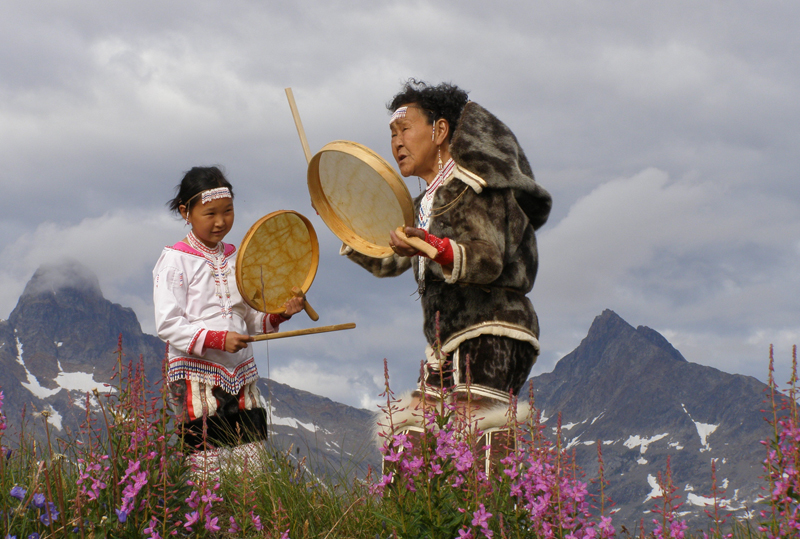
People & cultureNone – scientists only, no Indigenous populationInuit, Sami, and Nenets communities and living culture
Landscape signatureTabular icebergs, absolute white, no vegetationTundra, wildflowers, fjords, and drift ice

The Fundamental Difference: A Continent vs. An Ocean

It sounds like a technicality, but it shapes everything else about the trip: Antarctica is a continent surrounded by ocean; the Arctic is an ocean surrounded by continents.

Antarctica

As a single landmass of roughly 14 million square kilometres, bigger than the United States and Mexico combined, governed by no nation. Buried beneath it is an ice sheet averaging over 2 kilometres thick and exceeding 4 kilometres at its deepest, holding around 70% of the world’s fresh water.

The Antarctic Treaty, signed by 12 countries in 1959 and now with more than 50 parties, reserves the continent for peaceful, scientific use.

There is no permanent population, only researchers rotating through more than 70 stations run by around 30 countries, numbers that swell to roughly 4,000–5,000 people in the southern summer and shrink to around 1,000 hardy winterers once the sun sets for the season.

Arctic

The Arctic is not a continent at all, but a frozen ocean ringed by the territory of eight nations, Canada, Greenland (Denmark), Norway, Sweden, Finland, Russia, Iceland, and the United States (Alaska).

Because it’s land-fringed rather than landlocked, it has been continuously inhabited for thousands of years by Indigenous peoples including the Inuit, Sami, and Nenets, and much of the ground beneath your feet on an Arctic hike is permafrost, soil that has stayed frozen for at least two consecutive years, in places for millennia.

Wildlife: Penguins vs Polar Bears

This is usually the deciding factor for our clients, and it’s a genuine either/or — the two poles do not share their headline species.

Antarctica

In Antarctica, the stage belongs to penguins: chinstrap, gentoo, Adélie, king, macaroni, and the elusive emperor. Leopard, crabeater, Weddell, fur, and elephant seals haul out on the ice alongside them.

For king penguins, South Georgia is unmatched: Saint Andrews Bay holds the largest king penguin colony in the world, with estimates ranging from around 150,000 breeding pairs upward — one of the great wildlife spectacles anywhere on the planet.
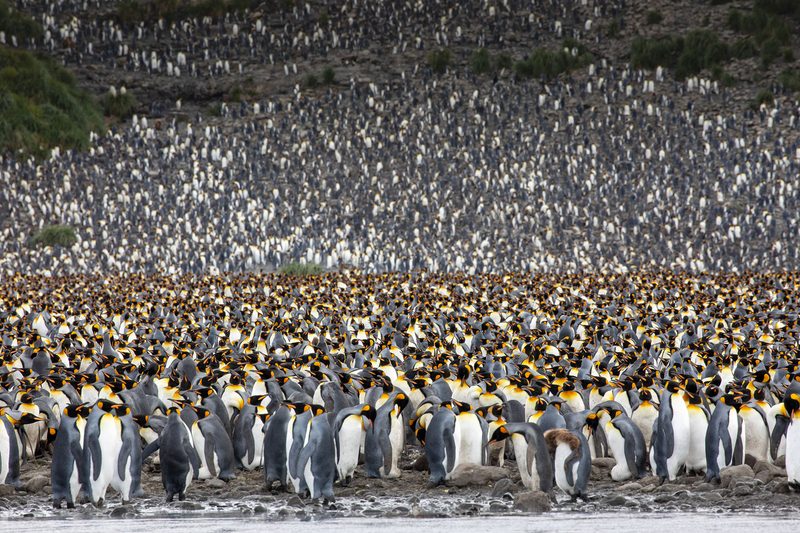
Penguins are a highlight of Antarctica

There are no native land mammals of any kind. Whales are a genuine highlight rather than a footnote — humpback, minke, orca, and fin whales are all commonly encountered, with February and March the peak of the season.

Arctic

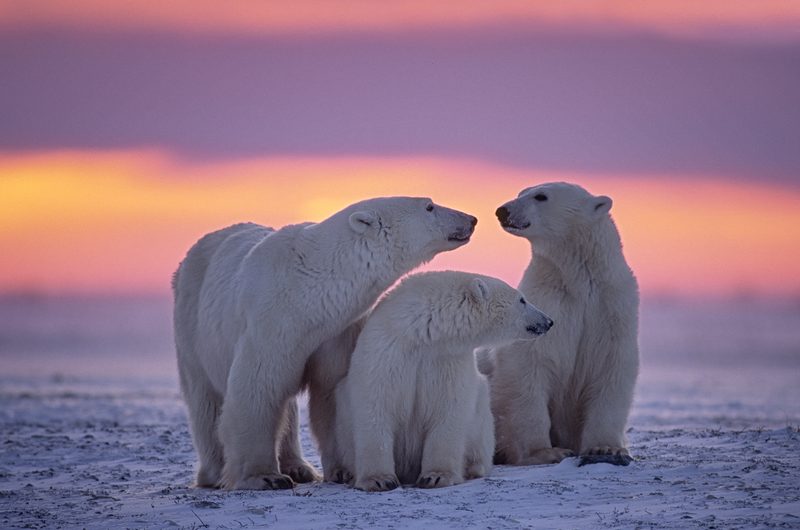
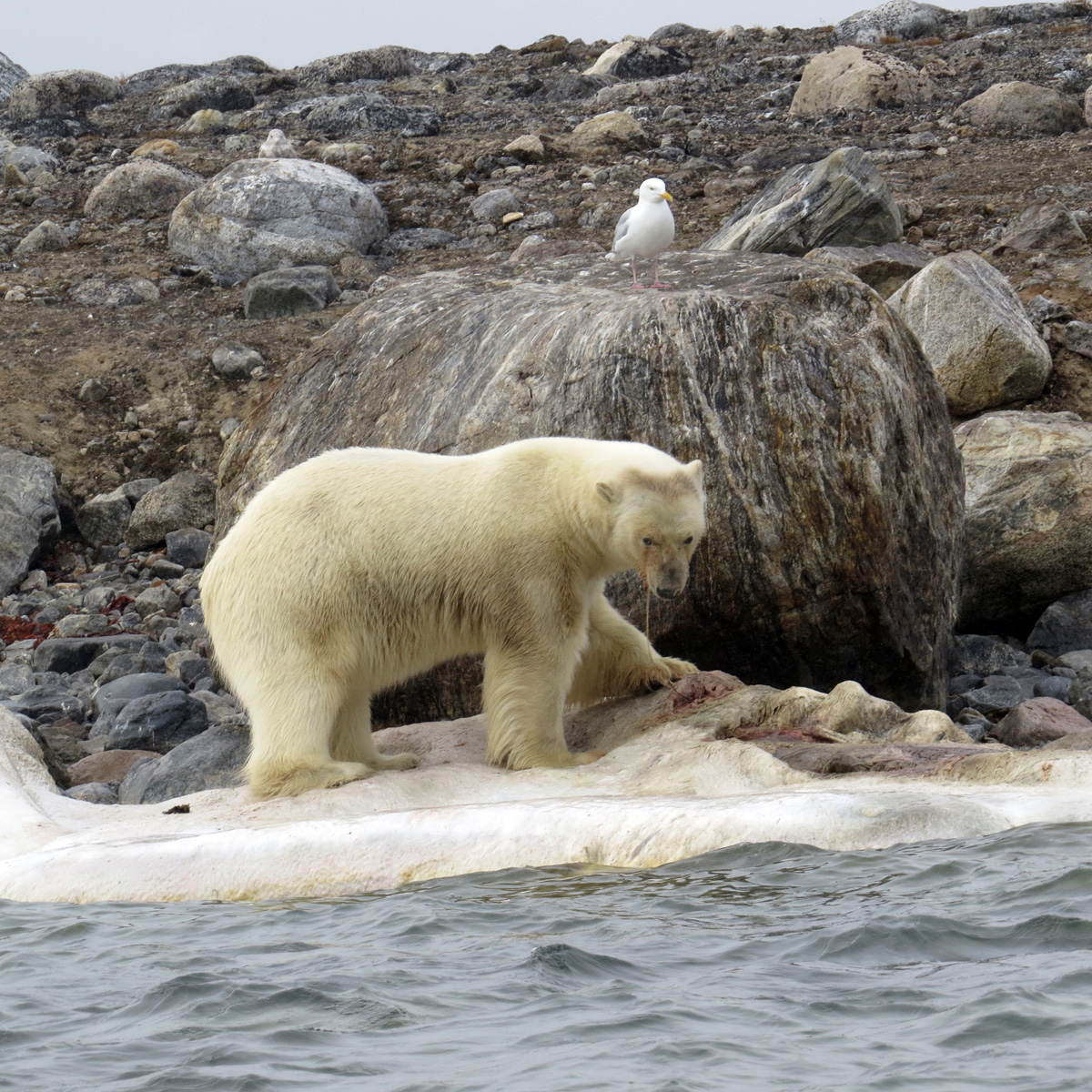
The polar bear is the animal most people come to The Arctic for — the region’s apex predator and the largest carnivore on land. Around it sits something Antarctica simply doesn’t have: true land mammals, including muskox, reindeer and caribou, and Arctic fox.

In the north, Svalbard offers the best opportunity in the European Arctic to see a bear in its true habitat, out on the sea ice — though sightings are never guaranteed there. For near-certain sightings, Churchill in Manitoba remains the more dependable choice, with bears gathering on shore each autumn.

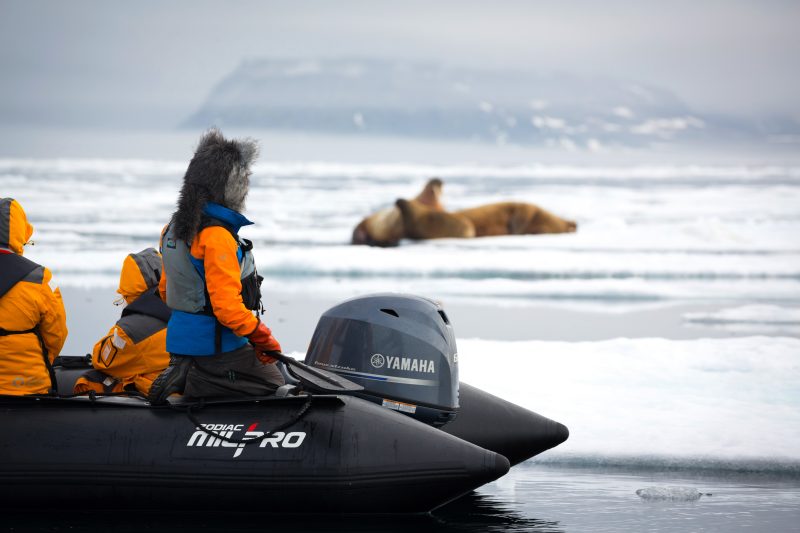
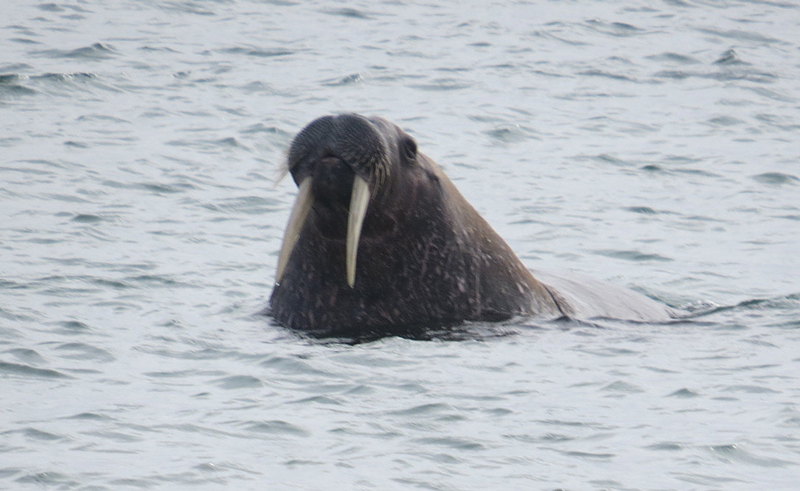
Offshore and along the ice edge, walrus — marine mammals, despite the hauled-out beaches they’re famous for — gather in their hundreds. The whale list is longer and more varied too, with humpback, beluga, bowhead, fin, minke, and orca all commonly spotted.

See Polar Bears in the wild in the Arctic

Where you sail matters as much as when. The Antarctic Peninsula and South Shetland Islands are the reliable stage for Adélie, chinstrap, and gentoo penguins, while the emperor penguin, the largest and most elusive of the Antarctic penguins, breeds almost entirely on fast ice in the Weddell and Ross Seas, with Snow Hill Island the most consistently visited colony, usually reached only on specialist helicopter- or icebreaker-assisted voyages.

Walrus haul-outs are a spectacle in their own right, around Svalbard and Greenland, hundreds of Atlantic walrus can crowd a single beach, while narwhal and beluga follow the retreating sea ice edge in the high Canadian Arctic and along Greenland’s coast.

For me, Greenland is all about scale. There’s something about the icebergs there — in my mind, they felt even larger than Antarctica’s. Set against the colourful tundra and red rock of Røde Ø in ScorPeople often ask me what’s been the highlight, out of all the incredible places I’ve been lucky enough to experience. There are strong contenders.

The first time I saw a polar bear and her cubs, on our very last landing in Scoresbysund, East Greenland, is right up there. So is paddling out in Svalbard towards what looked like two black rocks in the ocean, only to realise they were humpback whales sleeping – “logging,” as it’s known – and we were so close we could feel the mist from their blowholes. – James Turner, Wildfoot Travel

But if a specific animal is the reason you’re going, the choice largely makes itself: penguins mean Antarctica, polar bears mean the Arctic.

Season and Timing: Two Opposite Summers

Because the poles sit in opposite hemispheres, their travel seasons are mirror images of each other.

Antarctica

Runs late October to March

October and November bring pristine snow, dramatic sea ice, and penguin courtship displays.

December and January offer the mildest weather, the most active wildlife, and penguin chicks on the Peninsula,at peak pricing.

February and March are the height of whale season.

Arctic

Runs May to September

May and June open the Svalbard season as birdlife returns.

June to August is the peak, under 24-hour midnight sun

August and September bring the Northwest Passage’s brief navigable window, and the first Northern Lights of the season as the sun begins to set again.

Wildfoot recommendation: if your calendar only allows for a European or North American summer holiday, the Arctic is the natural fit. If you’re free in the northern winter, Antarctica is where the season is actually open.

Getting There: Accessibility and the Journey Itself

Antarctica

Most expeditions depart from Ushuaia, Argentina (via Buenos Aires) or Punta Arenas, Chile. Traditional itineraries cross the 800km Drake Passage — typically a 1.5 to 2-day sea crossing each way — while ‘fly-the-Drake’ charter flights to King George Island skip it entirely.

Whichever route you choose, reaching the ship takes around two full days of travel from the northern hemisphere.

Arctic

Considerably closer for European and North American travellers. Gateway towns like Longyearbyen (Svalbard), Tromsø, Reykjavik, and Kangerlussuaq are reachable on direct or short connecting flights, often four to nine hours from London or New York.
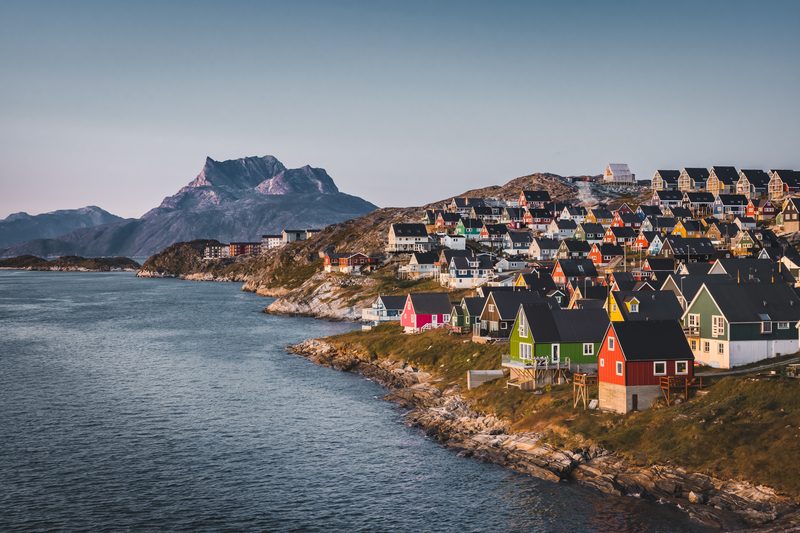
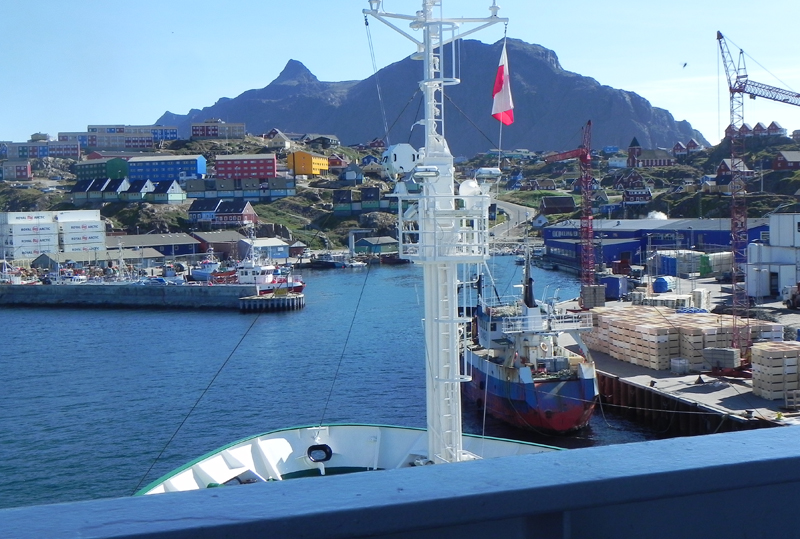
Nuuk, the capital and largest city of Greenland.

There is no equivalent open-ocean crossing — embarkation is usually straightforward, and you are into sheltered fjord and coastal sailing almost immediately.

Our Antarctica route options page breaks down itinerary lengths and starting points, and our Antarctica vessels guide covers the ships.

On the other pole, see our Arctic route options for how Svalbard, Greenland, and the Northwest Passage connect into a single itinerary.

What It Costs

Both poles cover a wide range — the ship, cabin category, itinerary length, and season all move the number by thousands of pounds.

As a rule of thumb, the Arctic has the lower entry point, largely because it’s quicker to reach and doesn’t require the Drake Passage’s extra sailing days.

Per personAntarctica
10–12 days
Arctic (Svalbard)
8–12 days
Entry levelFrom ~£5,000–£6,500From ~£3,500–£5,000
Mid-range~£6,500–£14,000~£5,000–£10,000
Luxury£20,000–£40,000+£12,000–£20,000+

Figures are indicative per-person, twin-share fare ranges for 2026/27 season sailings, excluding international flights and gratuities unless stated. Prices vary by operator, ship, and date — get in touch for a quote against your specific dates.

People and Culture

If a sense of human history and living culture matters to your trip, this is a real point of difference.

Antarctica

Antarctica has never had permanent residents. There is no Indigenous population and never has been. Its human story is one of exploration rather than habitation — Shackleton, Amundsen, Scott — and the only people there today are rotating scientists at research stations.

Arctic

The Arctic has been lived in for thousands of years. Inuit, Sami, and Greenlandic communities have made their home here across generations, and voyages routinely include community visits, museums, and cultural performances. It is a living culture, not simply a historical one.

Cold, Scale, and Landscape

Both regions get described in extremes, but the reality of a summer expedition is far more comfortable than the headline statistics suggest. Around the Antarctic Peninsula in season, temperatures tend to hover between −5°C and +5°C — usually close to zero. Arctic summer temperatures typically run from 0°C to as much as +10°C. You will want good layers, not survival gear.

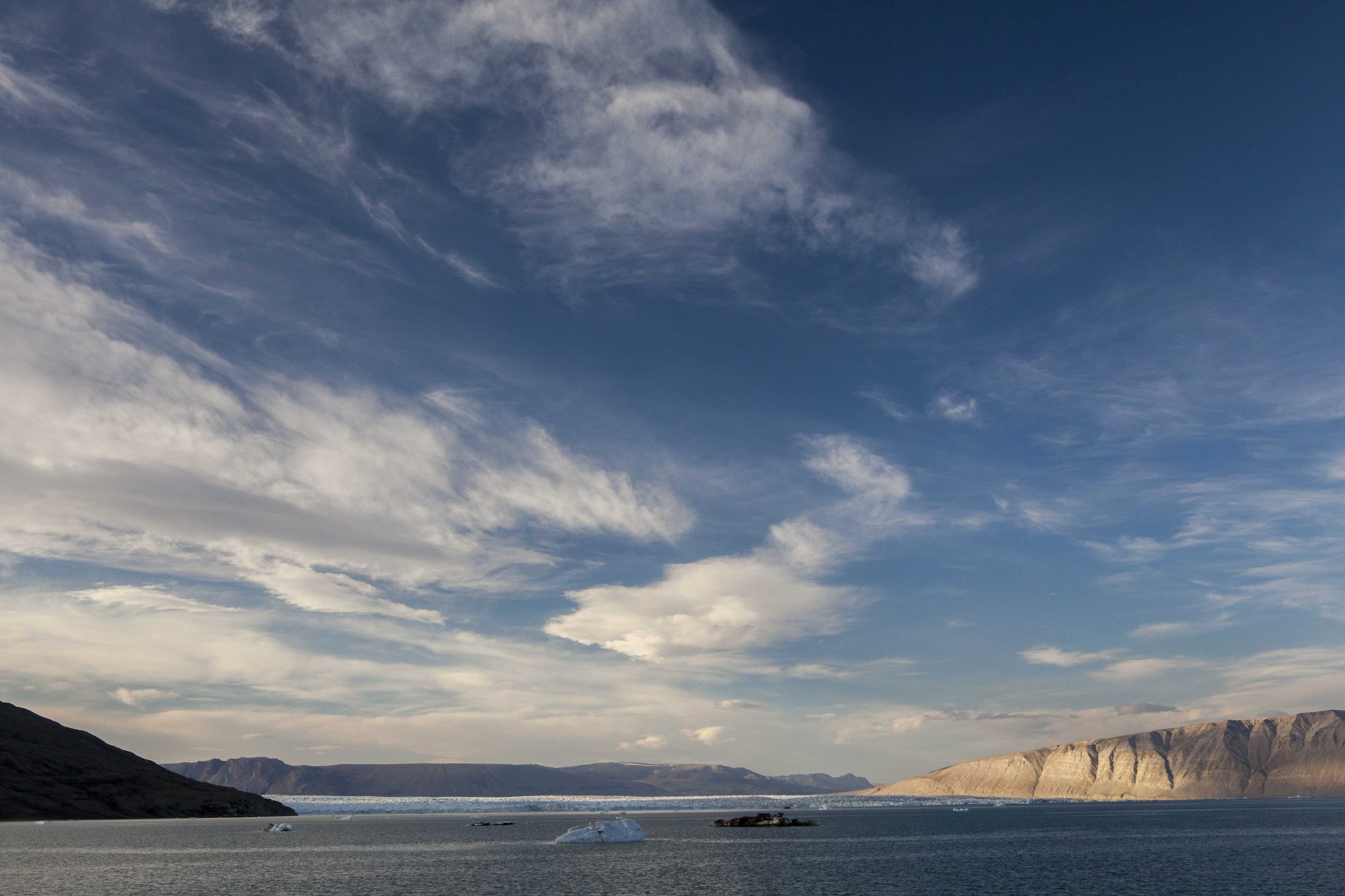
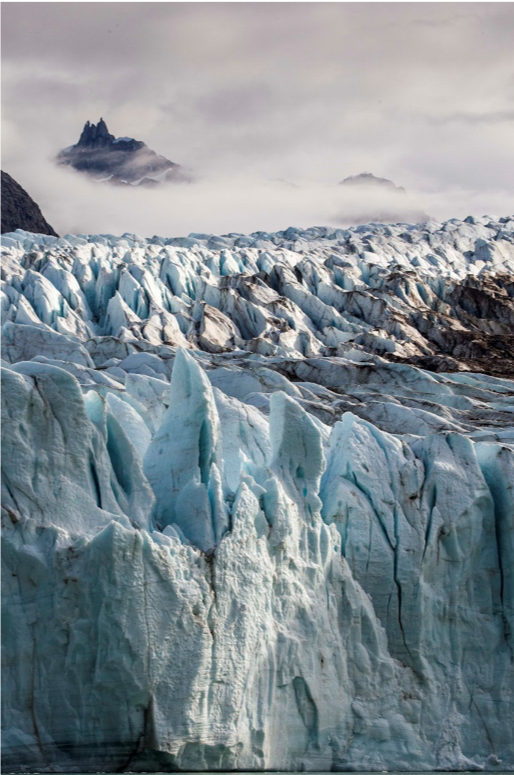
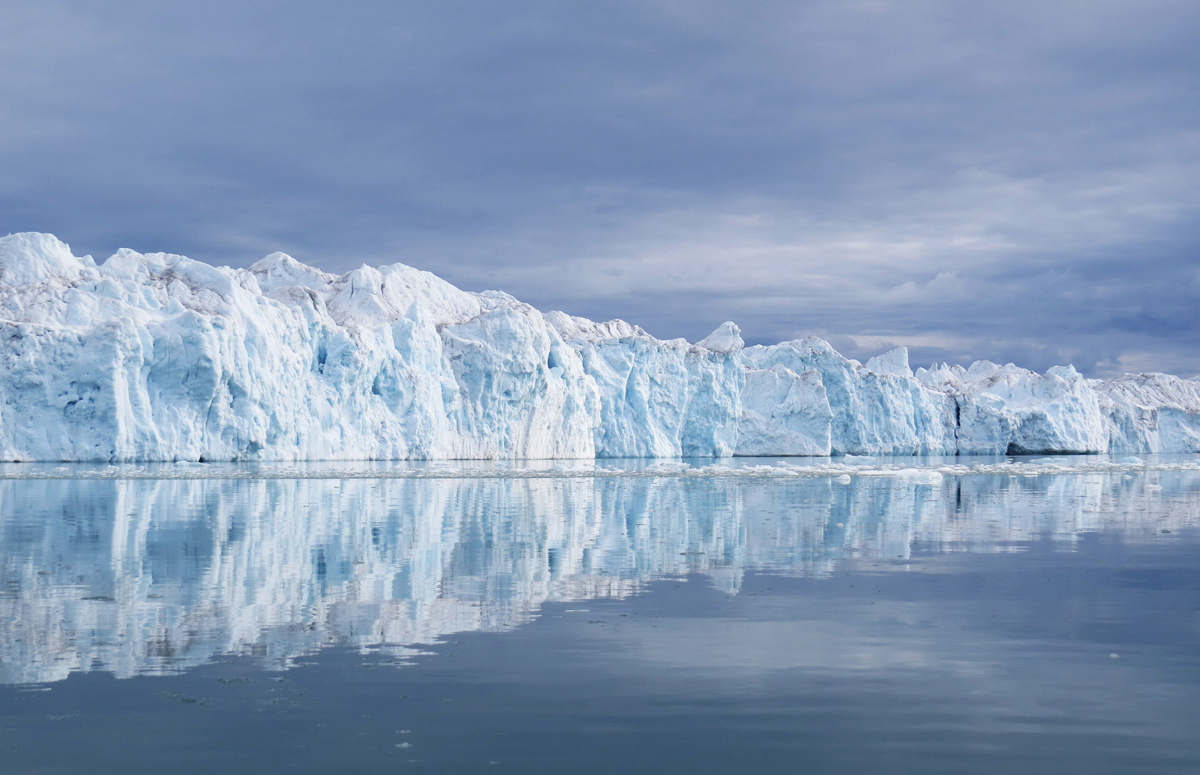
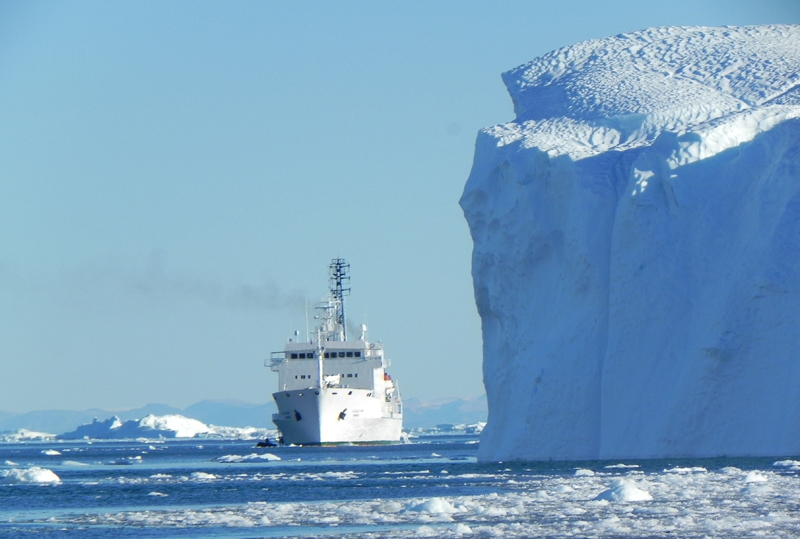
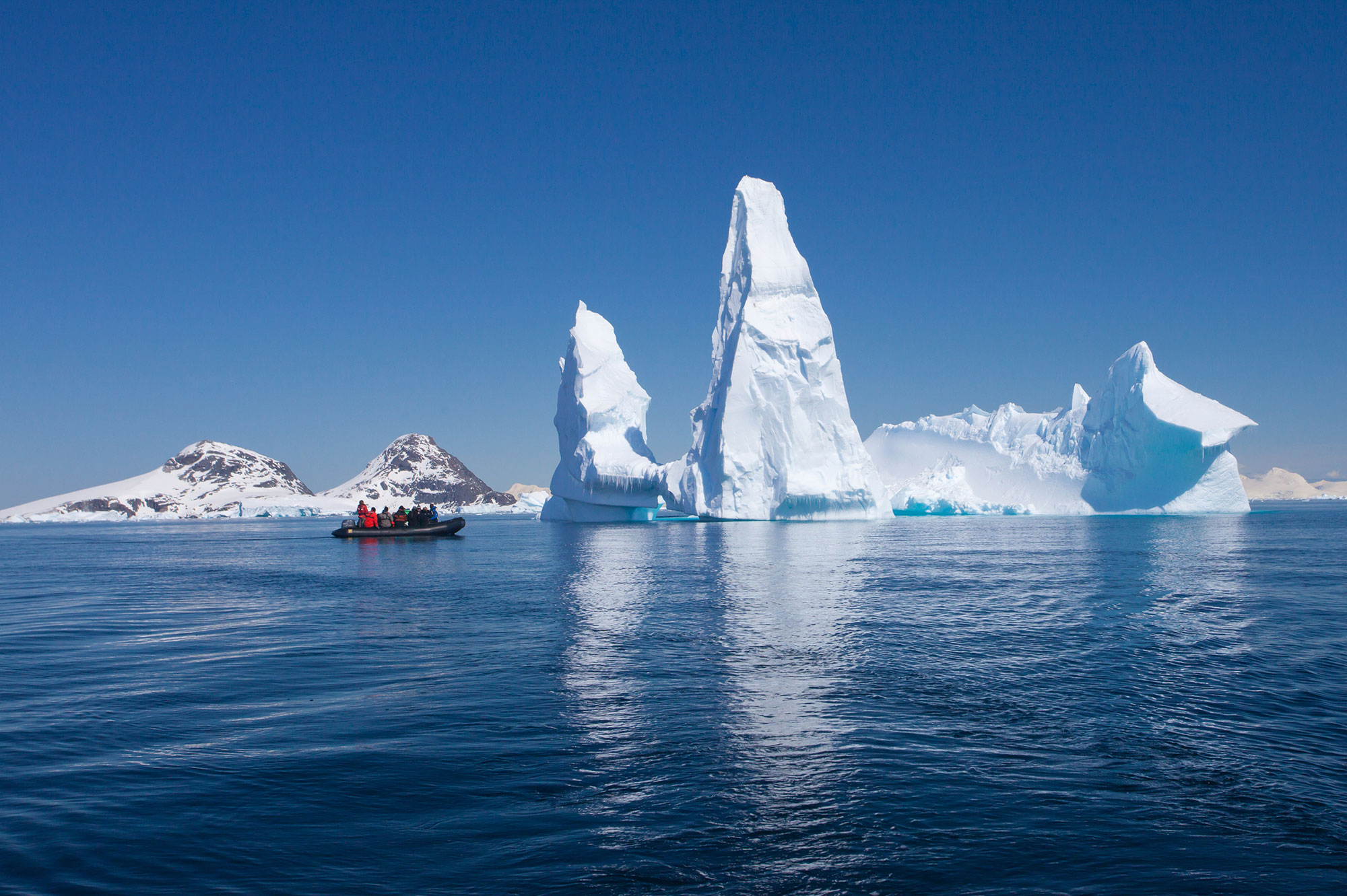
Where Antarctica genuinely does win on scale is its ice. Tabular icebergs — flat-topped, sometimes the size of small countries — are unlike anything the Arctic produces, and the continent is entirely blanketed by an ice sheet, with no vegetation to soften it.
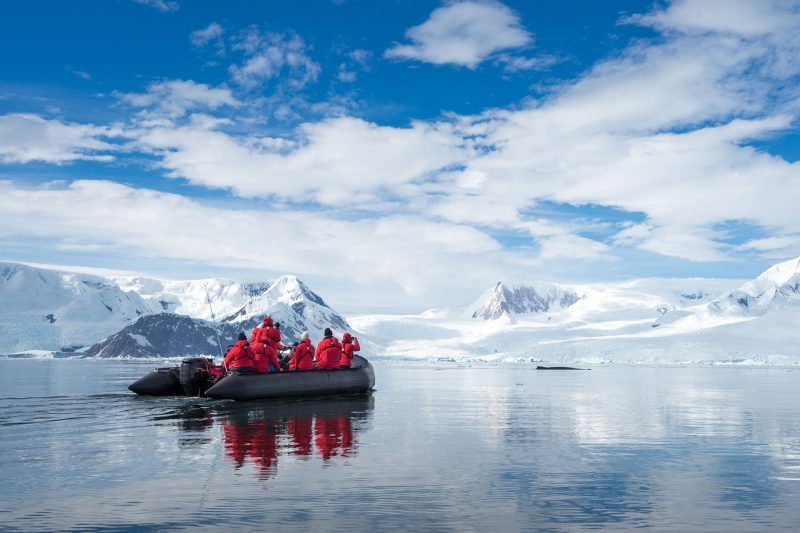
Stunning landscapes in Antarctica
The stunning landscapes of Antarctica

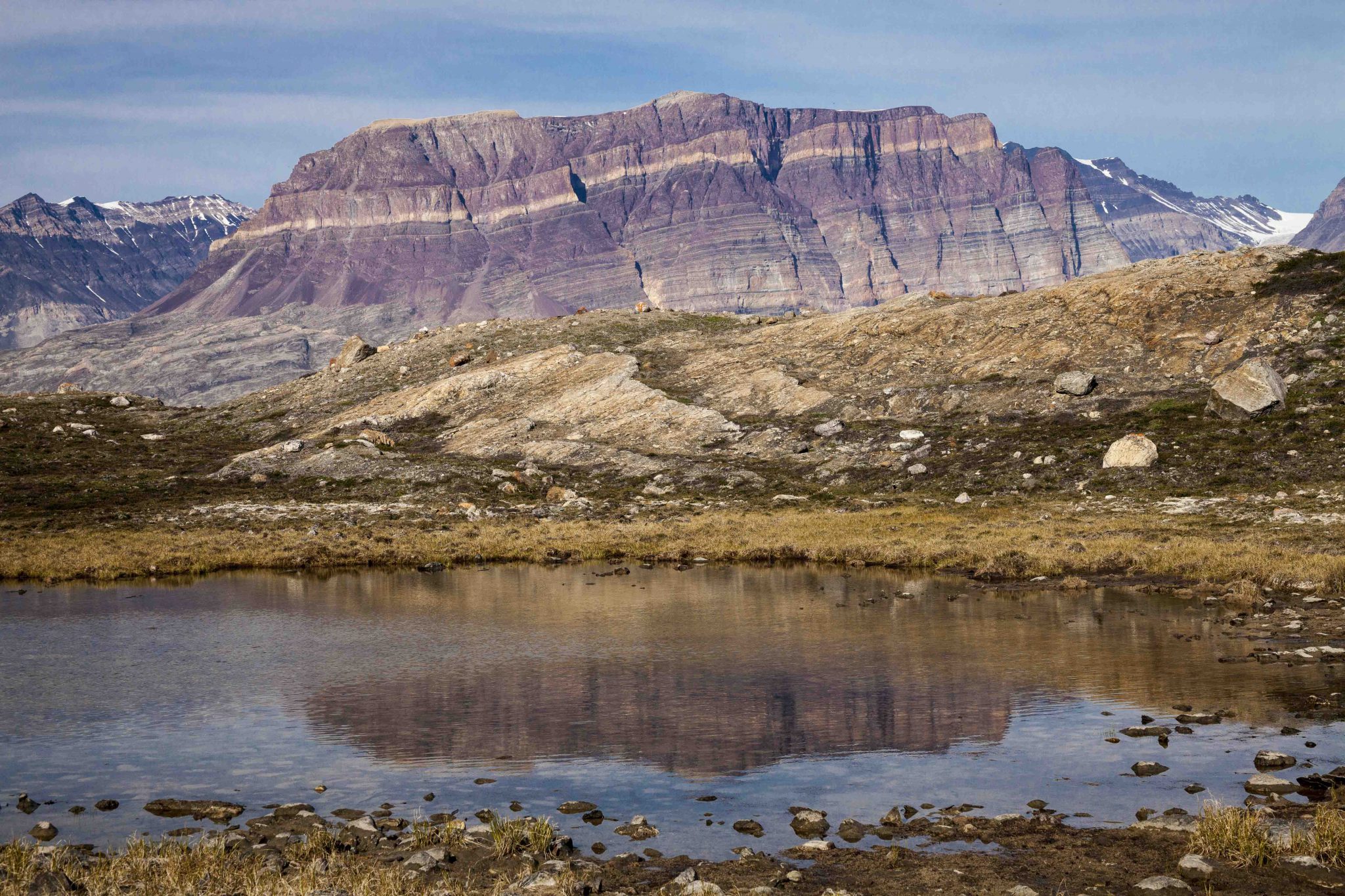
The Arctic, by contrast, is greener in summer. Tundra, wildflowers, and moss appear as the snow retreats, and its fjords, drift ice, and calving glaciers offer a softer, more varied landscape. Arctic sea ice is thinner and far more seasonal, shrinking to a fraction of its winter extent by September — which is precisely why the Arctic cruising season is so tightly bound to those summer months.

Both share dramatic tidewater glaciers and near-24-hour summer daylight. But where Antarctica feels otherworldly and absolute, the Arctic feels wild but inhabited.

Which Pole Suits You

Beyond the headline facts, here’s how we tend to advise different types of traveller.

First-time polar travellers

For UK clients especially, we often suggest starting in the Arctic. A classic Svalbard voyage is easily reached, unmistakably polar from the moment you land, and a superb way to dip a toe into expedition travel — and it sets you up beautifully for Antarctica later.

That said, if you only ever take one polar trip, Antarctica with the Falklands and South Georgia is the one that will live far beyond any expectation, for the sheer concentration of wildlife and dramatic ice alone.

If I had to pick just one moment above all of them, it would be the first time I landed at Gold Harbour, South Georgia. A stunning panorama of jagged mountains under blue skies, a beautiful sandy beach framed by lush green tussock grass – and then, carpeting every inch of it, tens of thousands of king penguins and hundreds of elephant seals as far as the eye could see. It’s the only time in my life I’ve physically frozen in awe at the sheer magnificence of nature. My brain simply couldn’t compute the spectacle in front of me. It took several minutes before I realised I didn’t need to stand rooted to the spot – I could actually walk along the beach and find my own place to take it all in. It remains the most magical moment of my life, and I still get goosebumps thinking about it – James Turner, Wildfoot Travel

Families with older children

The Arctic’s shorter flights, gentler seas, and cultural stops tend to suit families better, especially with children under 12, who most Antarctic operators don’t accept aboard. Always check age policies directly, as they vary by ship.

Photographers

Both are exceptional, but for sheer scale and light, Antarctica’s icebergs and 24-hour December daylight are hard to beat. For a single, dramatic subject, the Arctic’s polar bears on sea ice are the more coveted shot — at the cost of a much lower hit rate.

Solo travellers

Both regions are well set up for solo travellers, with most expedition ships offering solo cabins or roommate matching. The Arctic’s shorter itineraries and lower entry point make it the easier region to try first if budget is the main consideration.

Anyone prone to seasickness

This one has a clear answer: the Arctic. Most Arctic itineraries sail sheltered coastal and fjord waters, while an Antarctic trip almost always means the Drake Passage — two open-ocean crossings, unless you choose (and pay more for) a fly-the-Drake itinerary.

The Master Checklist: Matching the Pole to Your Ambitions

Before you commit to a hemisphere, run your choice through these five filters:

Name your must-see animal

If it’s penguins, only Antarctica will do. If it’s a polar bear, only the Arctic offers a chance, and even there, a sighting is never guaranteed.

Check your calendar

Antarctica’s season runs late October to March; the Arctic’s runs May to September. Your available travel dates may decide this for you before anything else does.

Be honest about time and budget

Antarctica asks for a longer journey, more days at sea, and a higher entry point. The Arctic is quicker and more accessible to reach from Europe and North America.

Consider your sea legs

The Drake Passage is a genuine one-and-a-half to two-day ocean crossing each way, while most Arctic itineraries sail in comparatively sheltered coastal and fjord waters.

Decide what else you want from the trip

If Indigenous culture and a lived-in landscape matter to you, the Arctic delivers something Antarctica structurally cannot. If you want scale, silence, and the sense of standing on an untouched continent, that belongs to Antarctica alone.

That said, if you only ever take one polar trip, Antarctica with the Falklands and South Georgia is the one that will live far beyond any expectation, for the sheer concentration of wildlife and dramatic ice alone.

Really, every day out in the Arctic or Antarctica is special in its own way – the excitement of not knowing what the day holds, the sense that Mother Nature is unveiling a script unique to that exact moment, the unexpected encounters with local Inuit communities that always leave a warm place in my heartesby Sund, the contrast is magnetic for photographers; the ice seems to pop right off the landscape – James Turner, Wildfoot Travel

Frequently Asked Questions

Is Antarctica or the Arctic colder?

Antarctica, though not in a way most travellers experience. Expedition season around the Peninsula sees temperatures hovering between −5°C and +5°C, usually close to zero, while Arctic summers run from 0°C to around +10°C. Both are comfortable with good layers.

How do the costs compare?

The Arctic generally has the lower entry point. A typical 8–12 day Svalbard voyage starts below an equivalent Antarctic Peninsula sailing, largely because it’s quicker to reach and doesn’t require the extra sea days of the Drake Passage. Both regions offer everything from simple expedition ships to genuine six-star vessels.

Can you see penguins and polar bears on the same trip?

No — not in the wild. Penguins are exclusively Southern Hemisphere and polar bears are exclusively Arctic; their ranges never overlap. Seeing both means booking two separate expeditions, one to each pole.
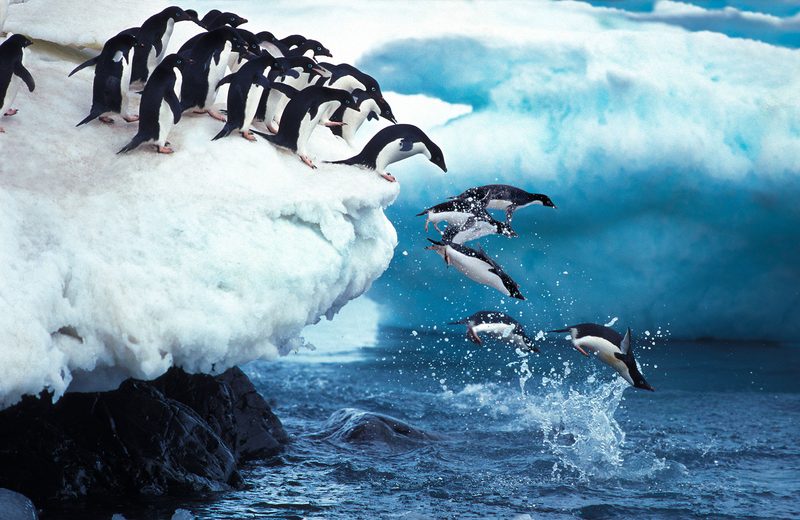
Unforgettable wildlife encounters in Antarctica

Which is easier to get to?

The Arctic. Gateway towns like Longyearbyen, Tromsø, and Reykjavik are a direct or single-connection flight from most of Europe and North America. Antarctica requires flying to Ushuaia or Punta Arenas at the southern tip of South America, plus a Drake Passage crossing or charter flight to reach the ship itself.

Is the sea crossing to Antarctica rough?

It can be. The Drake Passage has a reputation for a reason, though modern stabilised ships and X-BOW® hull designs have made the crossing considerably more comfortable than it once was. ‘Fly-the-Drake’ itineraries avoid it entirely for an added cost.

Which is better for a first-time polar traveller?

If you’re planning to visit both poles eventually — and we’d highly recommend it — start with the Arctic. Svalbard is the quintessential Arctic experience, easily accessible from the UK, and sets you up beautifully for an Antarctic expedition in future.

If you’ll only ever make one trip, Antarctica with the Falklands and South Georgia just about wins it.

Talk to Us

There is no wrong answer between Antarctica and the Arctic — only the trip that matches what you actually want to see, when you’re free to travel, and how you want to feel when you get there.

We have sailed both. We know the ships, the seasons, and the small details — which crossing suits a nervous sailor, which month gives you cubs or chicks, which itinerary is worth the extra cost — that make the difference between a good trip and the trip of a lifetime.

Get in touch with the Wildfoot Travel team to help you choose your polar adventure, or start browsing our Antarctica cruises and Arctic cruises for yourself.
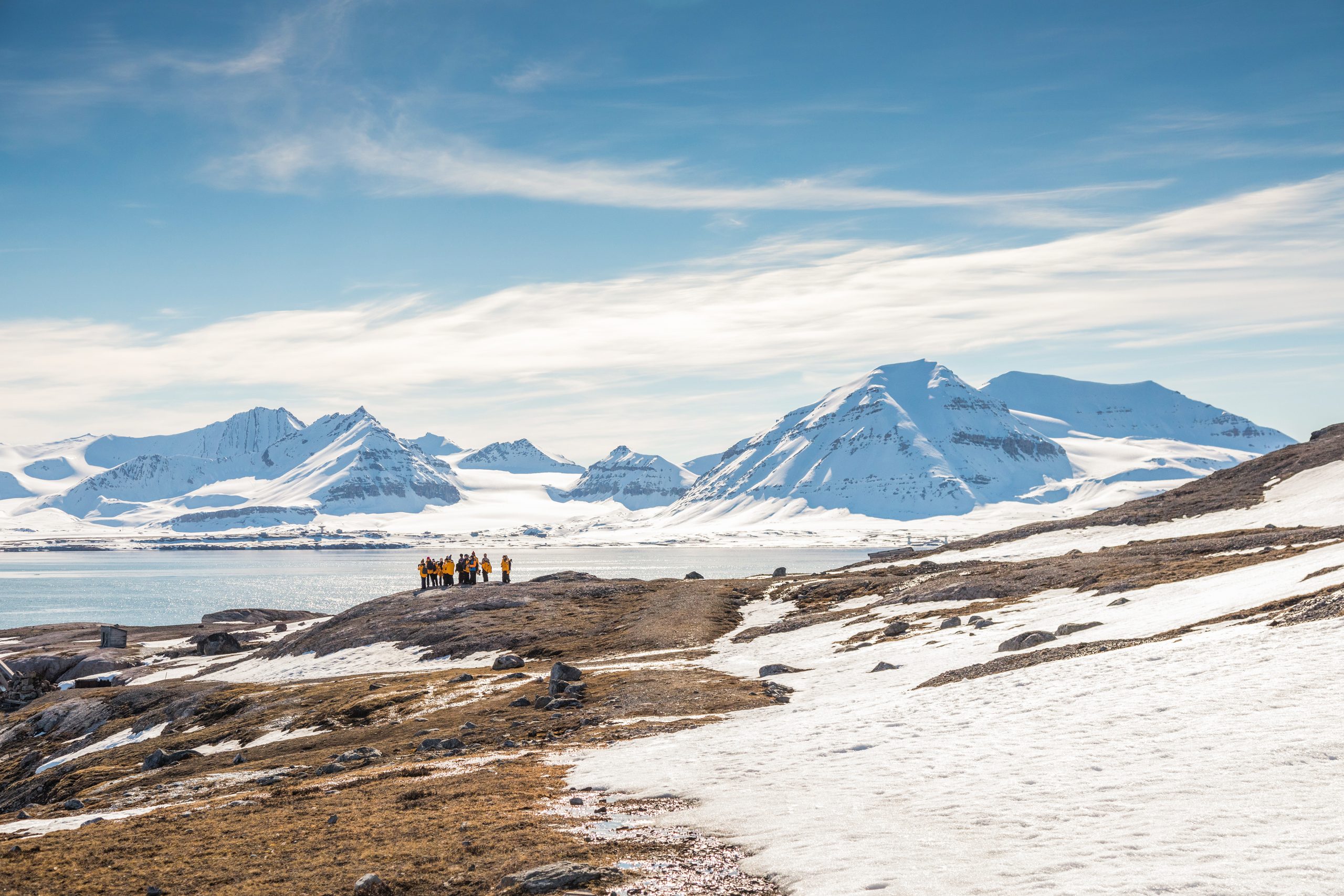
The stunning landscape of Svalbard Svalbard vs. Greenland: Two Arctic Expedition Experiences

Ask most people to picture the Arctic and they’ll describe something close to Svalbard: pack ice, a polar bear, mountains rising straight out of a frozen sea. Ask them again after they’ve been to Greenland and they’ll describe something entirely different; an iceberg the size of a cathedral drifting past a village of red and yellow houses.

At Wildfoot Travel, three decades of guiding travellers to the world’s great wilderness destinations has taught us that Svalbard and Greenland get grouped under the same three-word heading far more often than they deserve to be.

Both sit well inside the Arctic Circle. Both deliver ice, wildlife and midnight sun. But we’ve come to think of them less as alternatives and more as two different chapters of the same story, and there’s a good case for reading them in order.

Here’s how they actually differ, and which one we’d send you to first.

Svalbard: The Quintessential Arctic

Svalbard is the Arctic doing exactly what you hoped it would.

You land at Longyearbyen, a three-hour flight from Oslo, which is part of the appeal and the transition is immediate. This is a working Arctic town at 78° north, ringed by glaciers, where the road out of the settlement ends at a polar bear warning sign and everything beyond it is wilderness. There is no gradual approach. You are simply there.

What follows is one of the richest concentrations of wildlife in the European Arctic. Polar bears are the headline, and Svalbard offers the best chance anywhere of seeing one in its true element, out on the pack ice, though nobody who knows the region will promise you a sighting.

Around 300 bears live on the archipelago year-round, part of a wider Barents Sea population of roughly 3,000 that ranges north onto the sea ice and east into Russian territory.

Around them is a supporting cast that few destinations can match: walrus hauled out in their hundreds, Arctic fox working the base of the bird cliffs, and a reindeer subspecies found nowhere else on the planet, stockier and shorter-legged than its mainland cousins. In the fjords, beluga, humpback, minke and fin whales feed through the summer, with blue and bowhead whales turning up on rare and memorable occasions.

Unforgettable landscapes of Svalbard

The landscape holds its own against any of it. This is classic High Arctic scenery, ice-capped peaks dropping into black water, glacier fronts calving into fjords. On a full circumnavigation you push north to the pack ice at 80°, which is about as far as most travellers will ever get toward the pole.

And then there’s the human layer, which surprises people. Svalbard has no Indigenous population and never has, but it has an extraordinary history of people trying, and often failing, to make something of it. Pyramiden sits abandoned since the Cold War, a Soviet mining town frozen mid-sentence.

Somewhere on the ice north of here, S. A. Andrée launched a hydrogen balloon in 1897 in an attempt to reach the North Pole; the expedition’s fate wasn’t known for thirty-three years. And beneath the permafrost outside Longyearbyen, the Global Seed Vault holds the backup copy of the world’s crops. It’s a place that has always attracted people with slightly outsized ideas.

Greenland: The Scale of Things

Greenland is not a bigger version of Svalbard. It’s a different proposition altogether.

Start with the obvious: this is the world’s largest island, roughly 80% of it buried beneath an ice sheet up to three kilometres thick. The Northeast Greenland National Park alone is the largest national park on earth. Scale isn’t a feature of a Greenland trip, it’s the entire subject.

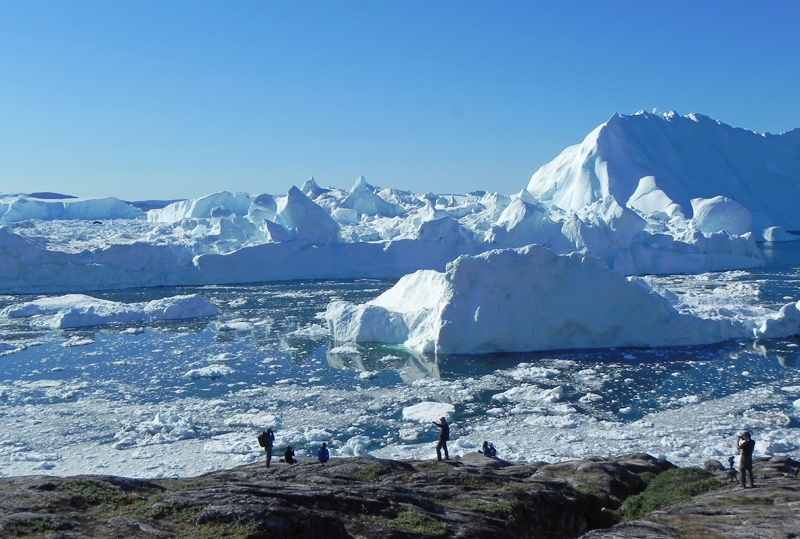
That scale shows up most dramatically in the ice. At Ilulissat, the glacier Sermeq Kujalleq, one of the fastest and most productive in the Northern Hemisphere, calves icebergs into Disko Bay at a rate that has made the icefjord a UNESCO World Heritage Site. On the east coast, Scoresby Sund opens into the largest fjord system in the world, where the red rock of Røde Ø rises above water crowded with ice.

For me, Greenland is all about scale. There’s something about the icebergs there — in my mind, they felt even larger than Antarctica’s. Set against the colourful tundra and red rock of Røde Ø in Scoresby Sund, the contrast is magnetic for photographers; the ice seems to pop right off the landscape – James Turner, Wildfoot Travel

The second thing Greenland has that Svalbard doesn’t is people, and not as a historical curiosity, but as a living culture.

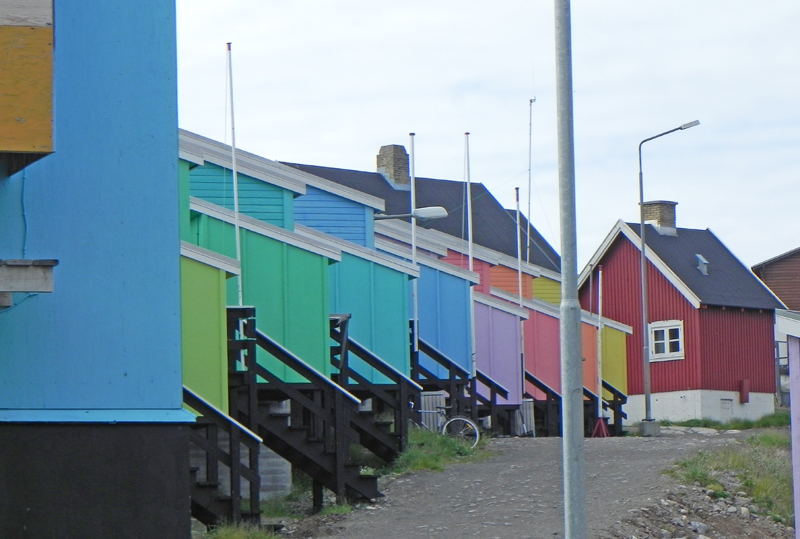
Around 56,000 people live here, the great majority Greenlandic Inuit, whose ancestors have occupied this coast for thousands of years. Voyages call at settlements strung along the shoreline, painted in reds and blues and yellows against the rock.

There’s Norse history layered underneath it too: Erik the Red’s farming colonies date to around 985 CE, and their ruins are still standing in the south.

Northern Lights over the fjord in Greenland

What Greenland asks of you in return is a lower wildlife expectation. Polar bears are here, but they’re concentrated in the remote north and northeast and far less reliably seen than in Svalbard. You’ll find muskox, Arctic hare and Arctic fox ashore, and humpback, fin and minke whales offshore, with bowhead an occasional bonus. But the animals aren’t the organising principle of the trip. The landscape and the culture are, and they’re big enough to fill it.

Which brings us to the thing most people miss about Greenland’s scale, which isn’t the icebergs at all.

Scale in Greenland isn’t only about the giants — the bergs, the glaciers, the mountains. It’s just as much about getting down on your knees. In autumn the tundra turns to crimson, gold and rust, dark berries threaded through it, a carpet running as far as the eye can see. And what you’re crouching beside is a forest. These plants grow so slowly that an Arctic willow stem thickens by around a tenth of a millimetre a year — less than the width of a human hair. The dwarf birch colouring the ground around your boots can be more than a century old. That, for me, is the real scale of Greenland.” – James Turner, Wildfoot Travel

So Which One First?

If you’re likely to make more than one polar journey in your life, and most people who make one end up making two, we’d send you to Svalbard first.

The reasoning is practical as much as romantic. Svalbard is the easiest of the two to reach from the UK, the season is well defined, and the sheer breadth of what you’ll see, from bears and walrus to that endemic reindeer, makes it feel unmistakably polar from day one. It is the quintessential Arctic experience, and it sets you up beautifully for everything that follows, including Antarctica, whenever you get there.

Greenland rewards a traveller who already has a frame of reference. Once you’ve stood on a Svalbard deck watching pack ice, the sheer scale of Scoresby Sund lands differently. And if you have the time, you don’t strictly have to choose, there are itineraries that combine Spitsbergen and East Greenland in a single voyage, some of them under sail, timed for the returning Northern Lights in late summer.

Polar Bears in Svalbard

When to Go

Svalbard’s cruise season runs May to August. May and June catch the pack ice still retreating, which can mean strong early-season bear encounters. June to August is the peak, under 24-hour daylight. From September the archipelago largely closes to vessel-based exploration and shifts to a land-based winter offering husky sledging and snowmobile expeditions, with the polar night running roughly November to January.

Greenland’s ship season runs June to September. June to August is the peak, with midnight sun and whales working Disko Bay. By late August and into September the sky darkens enough for the first Northern Lights of the season. Greenland also offers a completely separate winter trip: February to April, land-based around Ilulissat, built around dogsledding and aurora.

Summer temperatures in both sit comfortably between 0°C and +10°C. Good layers, not survival gear.

Getting There

Svalbard is the simpler journey by some margin: a direct or one-stop flight via Oslo or Tromsø into Longyearbyen, around three hours from Oslo, and a single straightforward embarkation point.

Greenland is more fragmented, though improving quickly. Most routings go via Reykjavik or Copenhagen, then a further connection to Nuuk, Kangerlussuaq, or seasonally direct to Ilulissat.

Nuuk’s international airport opened in November 2024 and Qaqortoq’s in April 2026, with Ilulissat’s own international airport due later in 2026, all of which is steadily shortening the journey. East and Northeast Greenland, including Scoresby Sund and the National Park, remain reachable only by expedition ship.

Nuuk, the capital and largest city of Greenland.

Our Arctic route options page sets out how these connect, and the Northeast Greenland voyage gives a sense of the wilder side.

What It Costs

Both destinations span a wide range depending on ship, cabin and season. Svalbard generally has the lower entry point, largely a function of the shorter, simpler journey; Greenland’s longer itineraries and more complex routing push its typical range higher.

Per personSvalbard, 8–12 daysGreenland, 8–15 days
Entry levelFrom ~£3,500–£5,000From ~£5,000–£6,500
Mid-range~£5,000–£10,000~£6,500–£13,000
Luxury£12,000–£20,000+£14,000–£24,000+

Figures are indicative per-person, twin-share fare ranges for 2026/27 season sailings, excluding international flights and gratuities unless stated. Prices vary by operator, ship, and date — get in touch for a quote against your specific dates.

Svalbard and Greenland: At a Glance

Everything above, in one place.

 SvalbardGreenland
In a phraseA mecca for wildlife and classic Arctic landscapesLandscape heaven, and a living Inuit culture
What it isNorwegian Arctic archipelago, no Indigenous populationWorld’s largest island; autonomous Danish territory and Inuit homeland
Population~2,900, mostly international residents~56,000, majority Greenlandic Inuit
SeasonMay–August by ship; winter land-based optionsJune–September by ship; separate Feb–April land season
WildlifePolar bears, walrus, Arctic fox, endemic reindeer, whalesMuskox, Arctic hare and fox, whales; polar bears a remote bonus
Headline sightPack ice at 80° north, polar bear and walrus encountersIlulissat Icefjord in the west; the giant fjords of Scoresby Sund in the east
Getting thereOne direct or short flight via Oslo or TromsøVia Reykjavik or Copenhagen, then a Greenlandic connection
CulturePolar history — whaling, mining, ill-fated expeditionsLiving Inuit communities, colourful settlements, Norse ruins
Typical cost~£5,000–£10,000pp (from ~£3,500)~£6,500–£13,000pp (from ~£5,000)
Ilulissat Icefjord in Greenland

Frequently Asked Questions

Is Svalbard or Greenland better for seeing polar bears? Svalbard, clearly. Around 300 bears live on the archipelago year-round, part of a wider Barents Sea population of roughly 3,000, and itineraries are built specifically around searching the ice edge. Greenland’s bears are concentrated in the remote north and northeast and are far less reliably encountered. Worth noting that neither offers guaranteed sightings — for that, Churchill in Manitoba is the more dependable destination, though it’s a very different style of trip.

Which should I visit first? Svalbard, if you’re likely to travel to the Arctic more than once. It’s the more accessible journey from the UK, the most complete introduction to Arctic wildlife, and an excellent foundation for both Greenland and a future Antarctic expedition.

Can you visit both on one trip? Yes — there are itineraries combining Spitsbergen and East Greenland in a single voyage, typically in August and September, some of them under sail and timed for the returning Northern Lights. It makes for a longer trip, but it’s the most efficient way to see both.

Spotting wildlife in Svalbard

Which has better Northern Lights? Neither during the main summer season, when both sit under 24-hour daylight. Greenland has the edge outside it: a dedicated winter trip to Ilulissat between February and April combines dogsledding with genuine aurora viewing. Late-season voyages to either destination in September can also catch the first displays.

Is Svalbard part of Norway? Yes, though governed under the distinct 1920 Svalbard Treaty, now honoured by 49 signatory nations, which restricts the islands to non-military use and grants visa-free access to citizens of treaty countries.

How cold does it get? Far less than people expect. Summer temperatures in both destinations typically run between 0°C and +10°C. You’ll want proper layers and a good waterproof, not expedition survival kit.

Talk to Us

There’s no wrong answer between Svalbard and Greenland. There’s only the question of which one you’re ready for, and in what order.

We’ve sailed both, and we know the details that don’t show up in a brochure — which month gives you the best chance at the ice edge, which itinerary gets you into the icefjord in the right light, which extra connection is worth making and which isn’t.

Get in touch with the Wildfoot Travel team, or start browsing our Svalbard tours and Arctic cruises.

An imprssive ice structure in Greenland Focus On: Northeast Greenland National Park & Scoresby Sund

A huge welcome to professional wildlife and landscape photographer, Dave Wilson of Northwinds Photography (www.northwindsphotos.com). Dave specialises in US National Parks, Botswana, and the polar regions.  Here are some of Dave’s fascinating images and thoughts about NorthEast Greenland after a recent trip to the area.

Northeast Greenland National Park, covering almost one million square kilometres is the world’s largest National Park.  Due to the relative inaccessibility and vast size, however, this is not a National Park in the normally accepted sense. Travelling there involves either significant advance planning or, more normally, joining one of the ship-based expeditions that visit the more accessible areas at the southern end of the Park: Kejser Franz Joseph and Kong Oscar Fjords, along with the neighbouring Scoresby Sund.

What awaits the visitor, however, is an area of amazing beauty: enormous icebergs; other-worldly geological features; and an overall sense of the wonders of natural wilderness with little to no signs of human intervention.

When To Go

The northerly location (between 71ºN and 75ºN) restricts most trips to the summer months, with the majority of vessels reaching the park between July and early September.  This does mean extremely long days.  The sun doesn’t set until the end of July / early August (depending on how far north you are) and you can still expect 16 hours of daylight at the end of August in the southern end of the region.  Even then, don’t expect warm weather – highs in the single digit Celsius are about as good as it gets – so pack with plenty of layers, not forgetting head and hand coverings.  When the wind picks up (especially when on deck of a ship), the effective temperature can get to well below freezing.

Highlight Areas

Your itinerary will be determined by the guides on the ship and impacted by sea-ice and weather conditions, so planning on visiting specific areas is something you should expect to be flexible about.  The more time your ship has put aside for the area, the better, as there are amazing sights around every corner.  The sheer scale of the three fjords is difficult to appreciate until it is experienced.   Relocating from one landing site to another can often mean 30-40 km of cruising.  Here are eight highlight areas you may encounter.

Walterhausen Glacier, Kejser Franz Joseph Fjord

If you want to get a quick object lesson in the size of the landscape and its features in this part of the world, Walterhausen Glacier is a good place to start.  The calving glacier has a 10km wide front with the face often reaching up to 50m high. A cruise along the front of the glacier brings home its vast size that can still be appreciated  from a distance of some 6 nautical miles.

copyright north winds photography

Blomsterbugt / Ymer Island / Teufelschloss

Spectacular scenery abounds in this area, dominated by the sheer polychromatic cliffs of the Teufelschloss (the Devil’s Castle) which rises 1370m above sea level.

Blomsterbugt / Ymer Island / Teufelschloss copyright north winds photography


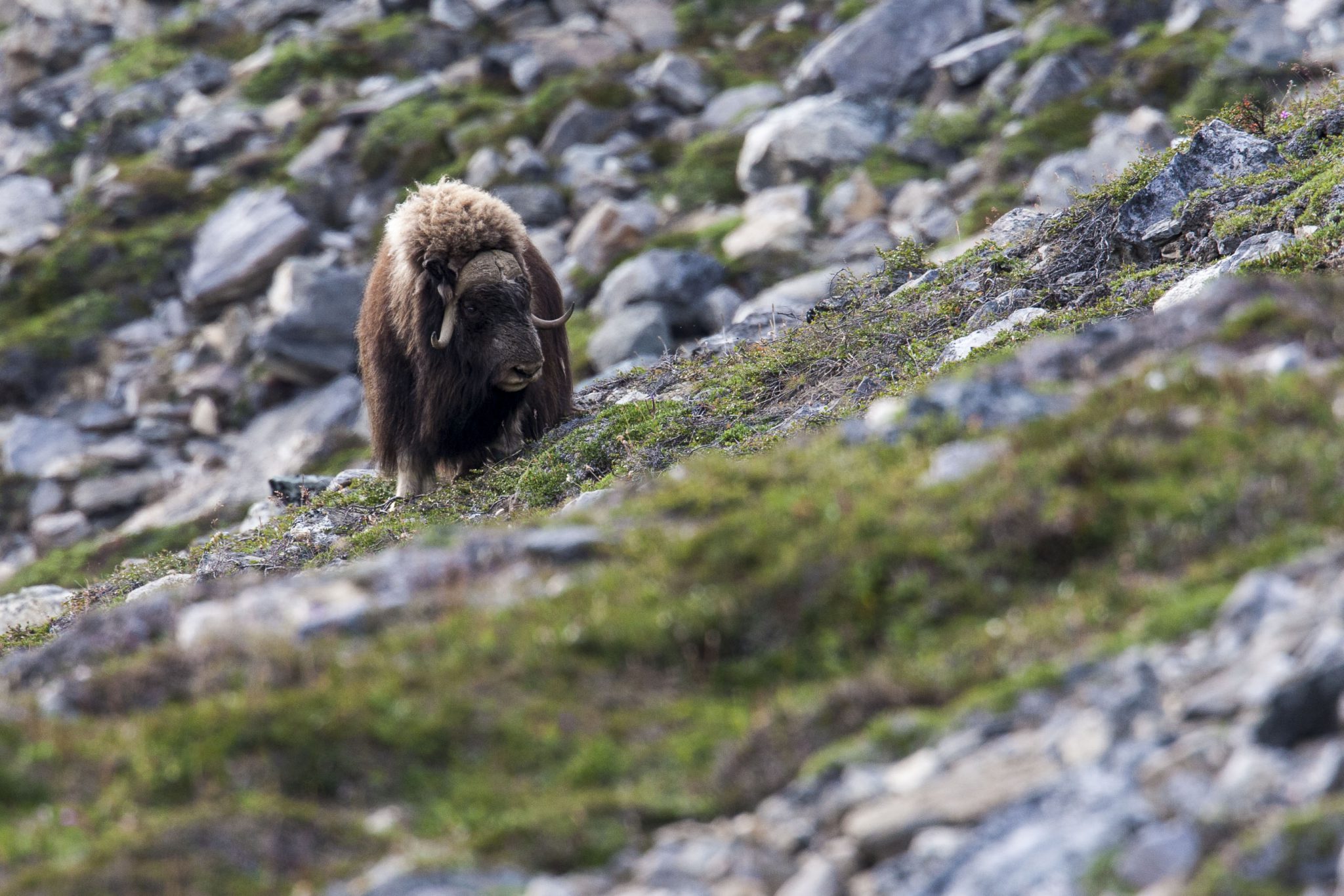
It is also a good place to see some of the local wildlife, being a frequent hang-out area for Musk Oxen.

Musk Oxen in Greenland - copyright north winds photography

Kjerulf Fjord & Nordenskjold Glacier


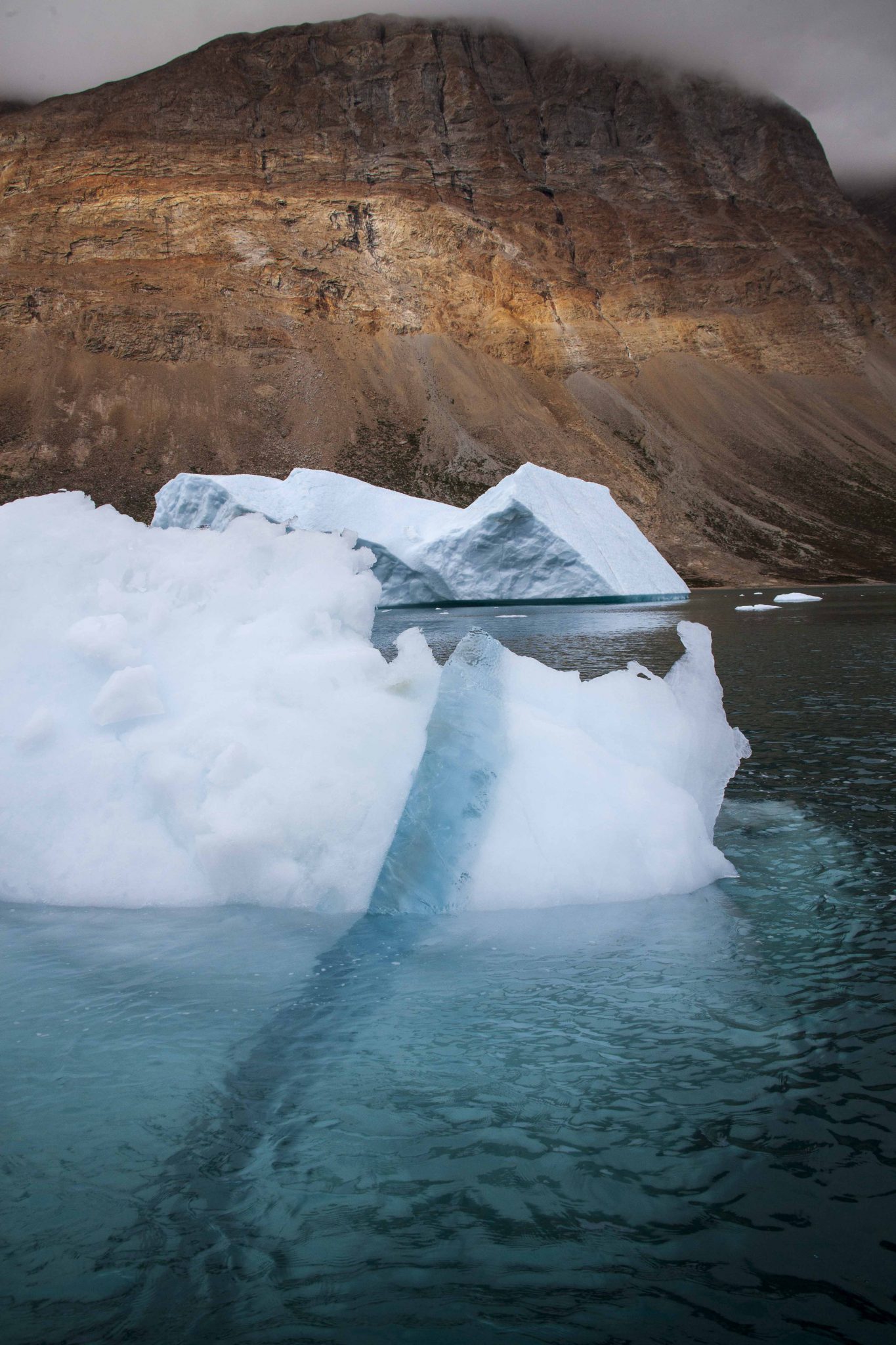
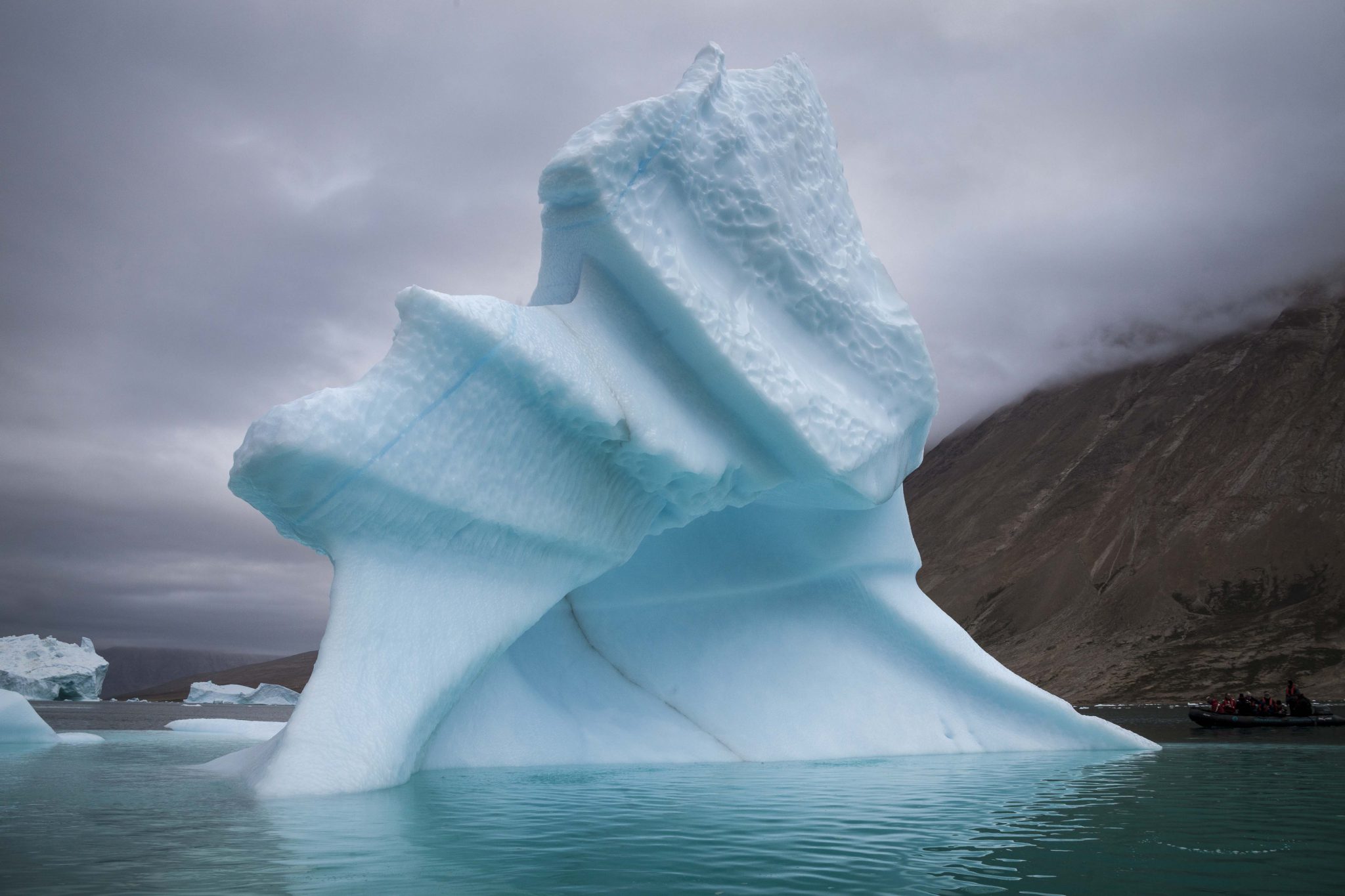
Iceberg in Greenland - copyright north winds photographyRarely visited, Kjerulf Fjord offers a refuge for icebergs that have calved from the Nordenskjold Glacier.  Being quite sheltered, this provides an excellent opportunity for a Zodiac cruise among the icebergs, giving a magnificent close-up perspective of these beautiful structures.


The contrast between the icebergs and the metamorphic rocks of the surrounding cliffs is particularly striking.Iceberg in Greenland - copyright north winds photography


Maria & Ella Islands

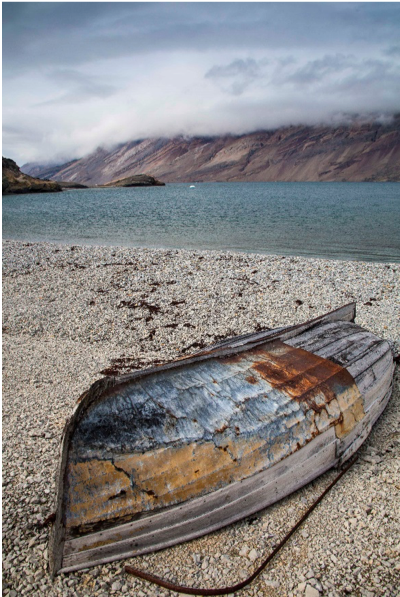
A boat in greenland = copyright north winds photographyThese islands form a small archipelago at the intersection of the Antarctic Sound, Kempe Fjord and Kong Oscar Fjord.  Visible on Maria Island are the remains of German fuel drums from WWII as well as building materials from the various geological camps that have been situated in the area.

Ella Island is home base to the Danish Army’s Sirius Patrol whose responsibility it is to patrol the east coast of Greenland throughout the year.  Despite the remoteness of the location, this is an extremely prestigious and sought-after assignment.  The area is ideal for hiking and is particularly noteworthy for its striking geological formations.

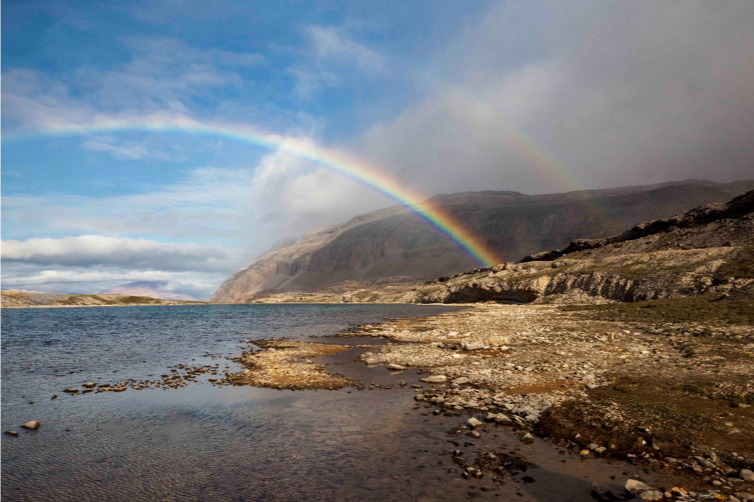
Rainbow - copyright north winds photography

Alpefjord

copyright north winds photographyThe fjord is so-named because it forms the western boundary of the Stauning Alps, a 40x40km cluster of some of the highest mountains in East Greenland.  It is home to the combined fronts of the Gully and Selfstrom glaciers.

Also in the fjord is the Dammen, a lake that had risen 60m above sea level caused by the glaciers running into the opposing cliffs. In the last few hundred years, this glacial dam was breached leaving a gap between the glacial tongue and the cliffs. Beyond this gap (which allows ships to pass along the entire front of the combined glaciers) lies further glaciers, icebergs, brash ice, and stunning cliffs.


Segelsallskapet Fjord

The spectacular mountains in the fjord provide good examples of folded and faulted sedimentary rock layers amongst the Eleonore Bay formations.  The landing site provides miniature versions of those layers that look like striped candy. This is a truly unbelievable landing site that will pique your interest in geology like nowhere else, and certainly provide the photographers a plethora of subject matter.

Vikingebugt / Bredegletscher Glacier

Even compared to the last location, Vikingebugt won’t disappoint your new-found interest in geology.  An intrusion of volcanic material 60 million years ago left an pile of basalt up to 10km thick.  As it cooled and contracted, the basalt formed into almost perfect hexagonal structures.copyright north winds photography

The neighbouring glacier is particularly proficient at producing massive icebergs that slowly drift out of the fjord into Scoresby Sund. By the time they reach the relatively open water they have been moulded into the most spectacular shapes.

Ø Fjord / Milne Land

copyright north winds photographyThis fjord provides the ship-bound visitor a splendid opportunity to appreciate the multitude of shapes and the range of colour that icebergs can exhibit as they make their way down the channel into the main body of Scorebsy Sund.

A series of Arctic images and reflections with thanks from Dave Wilson. Photographer. You can see more of David’s work at North Winds Photography

arctic ice pack Arctic Complete – (27th July – 18th August 2017)

Celia Hills enjoyed a Wildfoot Travel  trip to the Arctic recently. Responding to our call for ‘Traveller’s Tales’, Celia sent in this summary of her trip along with some excellent photos.
Now that we’ve set the scene, we’ll hand you over to Celia……..

“The trip began with everyone meeting at Longyearbyen airport in Svalbard and going on a coach tour of the town before boarding the Polar Pioneer for the start of the adventure into the Arctic.

Arctic Exploration Cruise Vessel The Polar Pioneer
The Polar Pioneer, a Finnish-built expedition cruise ship operated by the Australian cruise company Aurora Expeditions

The first exciting thing was to be briefed on safety & to do a lifeboat drill as we were leaving harbour. Trying to get into one of two small lifeboats with all 53 passengers & some crew was a challenge with huge lifejackets & little space. As there is permanent daylight at these latitudes at this time of year there was much to see already.

Huge numbers of sea birds to be seen included Fulmars, Glaucous Gulls, Little Auks, Puffins, Black Guillemots, Brunnichs Guillemots, Kittiwakes Eider Ducks & Arctic terns. As the trip progressed the numbers of some of these verged on the staggering with huge seabird cliffs bulging with adults & chicks. Less often seen were the Arctic Skuas & Great Skuas. Geese were also abundant with Pink Footed geese & Barnacle Geese the most common.

Only two days into the trip & the first of 12 polar bears was sighted. This trip was outstanding for bears with the best left to last with a sighting of a mother & cub. One encounter with a male bear on a hunting mission was deemed to be worthy of a “Frozen Planet” sequence by the guides as it had the bear stalk & attack three bearded seals over a 3 hour period.

a polar bear hunting on the arctic shoreline
Only two days into our trip & the first of twelve polar bears was sighted.

Another highlight of this trip were the glaciers & icebergs for sheer beauty of colours, size & shapes & glaciers calving when viewed from a zodiac is amazing with the sound & then mini tsunami.

History is also a strong feature of this trip with various ancient camps, huts and burial grounds of the ancient explorers & trappers.

Walrus were also a highlight with some amazing sounds  & smells in the pushing & shoving of a group of young males, while an encounter from the zodiac of a group of females & young was enchanting.

Walrus were also a highlight with amazing sounds & smells.

Tiny Arctic Foxes were a delight & some almost tame in their tolerance of close humans. One catching an unfortunate Kittiwake chick that was pushed from its nest showed nature in the raw.

A pod of over 20 Beluga whales was another  of many highlights with them cruising around the zodiacs.

Crossing the Greenland Sea from Svalbard to Greenland was mostly uneventful with birds & fog being the order of the days.

Greenland has certainly got the wow factor with glorious scenery & magnificent rock formations & colours. Scoresbysund being the most amazing place. The addition of Musk Ox in Greenland added to the wildlife total.

Apart from Longyearbyen in Svalbard the only other occupied area visited on this trip was Ittoqqortoormiit, one of the only inhabited area of east Greenland & home to 350 people.

For me one of the best experiences was on the last landing in Greenland where there were a pair of Gyr Falcons, a bird I had never seen.

To summarise this trip is difficult because there were so many highs – Polar Bear, Walrus, Arctic Fox, Musk Ox & the thousands of birds – but what made I was the staff & crew of the Polar Pioneer being so friendly & knowledgeable.

Celia Hills.”

See more of Celia’s photos in this photo gallery

[Best_Wordpress_Gallery id=”15″ gal_title=”Celia Hills Arctic Cruise Gallery”]

Check out all our Arctic cruises here

Join us on a Spitsbergen polar bear safari. Find out more here

Find out more about all our polar cruise partners here


SaveSave

SaveSave

SaveSaveSaveSave

SaveSave

SaveSave

Baffin Island & Greenland 11

John from Wildfoot travelled in August from Iqaluit on Baffin Island to Kangerlussuaq in Greenland on one of the company’s Arctic adventure cruises. This is the final day in the log of his experiences.


day 12b

Day 12


Bags collected from our cabin at 07.00, then breakfast and a zodiac transfer across dead calm but very muddy water to the small harbour. There is no actual town here, the airport was built in the 1940s as a fair weather staging post between America and Britain and still has the longest runway in Greenland, so it is the only international airport and smaller planes, Dash 7s and 8s are what we saw, feed passengers in here.


On the drive from the harbour to the airport, we caught a glimpse of the Greenland Icecap in the distance and also saw the swathe of muddy residue which flows down from the glacier to the fjord.

day 12

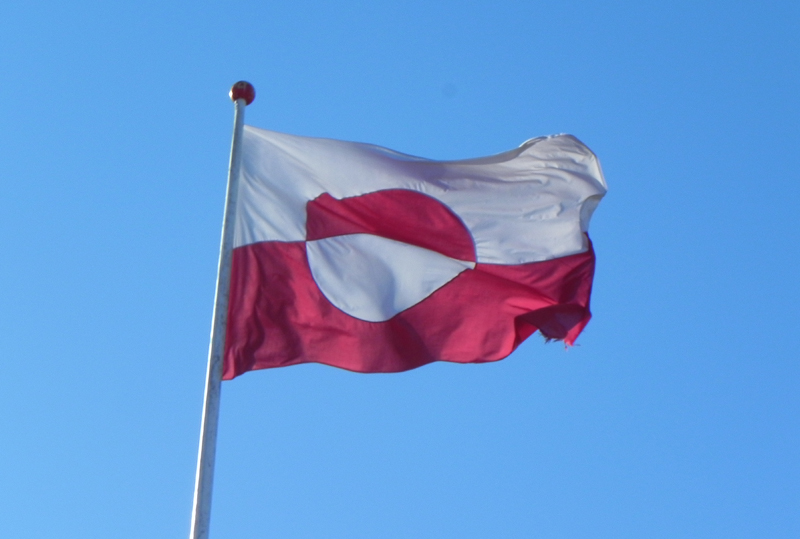
An interesting fact is that the Greenland flag is actually a representation of the sun rising over the Greenland icecap.


Most of our fellow travellers return to Ottawa later in the day, so are off for a excursion in the Arctic looking for musk oxen – shame we will miss this, just means we will have to come on an Arctic adventure cruise again another time!

Day 12c

Last minute souvenir shopping at the small airport shop and we are off to Copenhagen, where we overnight before returning to Manchester.


And so ends another brilliant trip to the world’s extremes – where next!

Baffin Island & Greenland 10

John from Wildfoot travelled in August from Iqaluit on Baffin Island to Kangerlussuaq in Greenland on one of the company’s Arctic Cruises to Greenland. This is a log of his experiences.

day 11c

Day 11


Early start this morning and out on the zodiacs by 06.30 to go to the Evigshed Glacier. The scale of these things is amazing; the glacier looks small until you spot the little dot near its base and realise that it is another zodiac, probably 1000 or so yards away with the wall of ice towering hundreds of feet above. As we got closer, we could hear the occasional cracks and bangs as ice calved away in the background and then suddenly there was an almighty crash and an enormous chunk of ice fell away into the fjord. We were well back, but were still rocked by the swell it caused.

day 11d

Back to the ship for breakfast and then a sail back along Evigshed Fjord, with high peaks and cirque and hanging glaciers – very picturesque.


Today is our last day on board our Arctic cruise in Greenland and Arctic Canada, so have gone through the settlement of accounts – did I really drink that much at the bar?!

day 11a

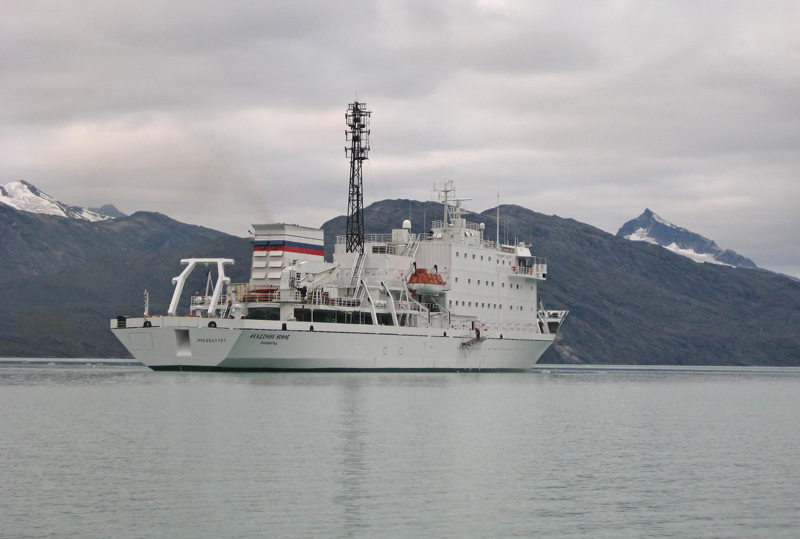
Then a ship’s tour. First we went to the big room we use as the mud room (where the wellies and life jackets are stored), but this is actually a room with a massive underwater antenna suspended in a frame, which can be lowered through the bottom the hull to a depth of over 1000m to transmit to another ship and chart any underwater objects in between – ours is primarily a research ship built during the Cold War! Then to the engine room and up to the bridge where all the instruments we have seen up there during the trip were actually explained. Fascinating.


Sailing back north to Sondre Stromfjord, one of the longest in Greenland with a particularly impressive entrance with kittiwakes and fulmars swirling around where the currents converge.

day 11b

After lunch, we went out on the zodiacs for a final excursion in the Arctic and this time into virgin territory. The ship had never stopped at this point in the fjord before, so the crew looked at maps and off we went to find a suitable landing place about 15 minutes away and there most of us went for a walk across the tundra and up and down rocky outcrops in the bright and very warm sunshine. It is so hard to believe we can walk in t-shirts in Greenland, even in the summer. Mind you, we did also have to cope with swarms of midges, which did not bite but were massively annoying.

day 6e

A pre- dinner presentation of a slideshow of our shared experiences on the trip and our excursions in the Arctic. Carolyn, the trip photographer, had been taking pictures throughout the trip and had made sure she had caught all of us on film. We have this on a memory stick. A dinner of fresh Arctic Char uploaded in Sisimuit followed by a very convivial evening in the bar rounded off our expedition. Tomorrow we will wake up in Kangerlussaq having sailed the length of this massive fjord.

Baffin Island & Greenland 9

John from Wildfoot travelled in August from Iqaluit on Baffin Island to Kangerlussuaq in Greenland on one of the company’s Arctic holiday cruises to the Canadian Arctic and Greenland. This is a log of his experiences.


day 10a

Day 10


Luxurious late call for breakfast this morning, because we are at sea until lunchtime. Just as well, since I ended up in the bar even later than usual last night with Huw, one of our lecturer guides and Cristian, a professional photographer. Cristian is just coming to the end of a project to travel around the Arctic Circle photographing people who live and also visit the Line. Should be an interesting publication.


During the morning, we had the results of the on board photo competition for pictures taken on our Arctic holiday cruise, with some great entries and, afterwards, a final lecture on Arctic exploration.


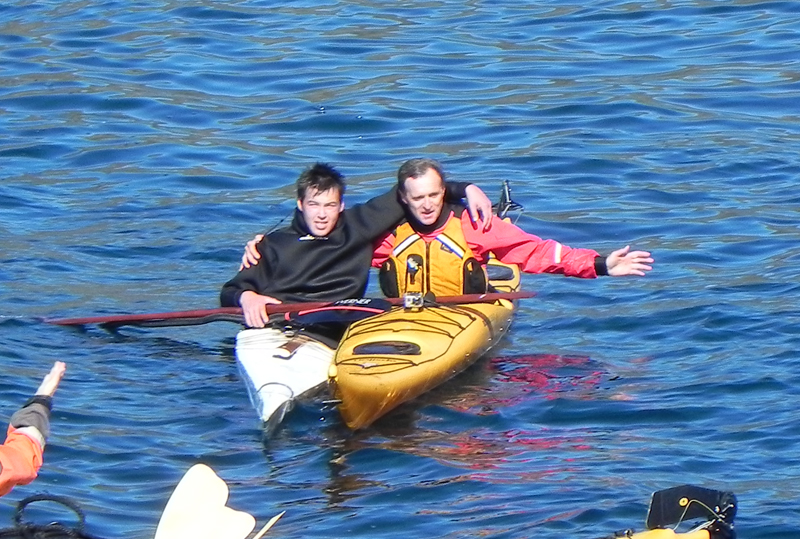
The afternoon was spent in Sisimiut, the second largest city in Greenland, after the capital, Nuuk, but still with a very small town feel. The weather is amazing today, bright sunshine and really warm – I never would have expected to be walking around in a t-shirt on the Arctic Circle. The town is pretty typical with a busy fishing port and lots of bright, colourful buildings. Also, an interesting museum, consisting of several buildings, each depicting different aspects of Greenlandic life. Before we left, we were treated to a display of kayaking by a local, who demonstrated his skills in the water alongside the ship. Our ships doctor then joined him – he turned out to be a bit of an expert himself, having been an Olympic medallist with the USA team in Los Angeles!

day 10b

Back to the ship and pre-dinner drinks on deck in the evening sunshine. After dinner, the very funny results of the on-board limerick competition. Over 80 entries from such a small passenger complement is pretty good and these had been whittled down to just 12. Limerick writing is actually quite difficult! I had managed to come up with three and one of these made the final cut, but was not the winner. An excuse for a consolatory beer.


Baffin Island & Greenland 8

John from Wildfoot travelled in August from Iqaluit on Baffin Island to Kangerlussuaq in Greenland on one of the company’s Arctic Cruises to Greenland. This is a log of his experiences.


day 9a

Day 9


Woke this morning with the sun streaming thought the window, which was brilliant, since we were off on the zodiacs for a pre-breakfast cruise at 06.30. We thought yesterday’s icebergs were big but today we are at their actual source at Ilulissat, where they have broken away from the Jacobshavn Glacier and come away in massive chunks into the Davis Strait. We cruised around in the early morning sunshine for about 90 minutes amongst these massive bergs – truly amazing.

day 9c

After breakfast, we zodiaced into the port itself and went off for a walk. Ilulissat is a world heritage site and after walking about 3km, we found out why. We came to a spot overlooking the point at which the Jacobshaven glacier spews out its ice into the bay. I have seen many beautiful sites but this has to rank with the most spectacular, just a magical sight, with bergs and brash ice moving surprisingly quickly with the current, especially in the sunshine against a deep blue sky. This glacier is moving at a metre an hour.

day 9b

Then, a wander around town with a look in the supermarket and the one souvenir shop open this Sunday morning and then into the very well laid out and interesting museum.


Not much wildlife today. Those in one of the zodiacs this morning spotted a pair of humpback whales, but the best we have seen is more Icelandic Gulls, fulmars, wheatears and snow buntings. Not sure if dogs count as wildlife, but we walked past a massive open area where all the sled dogs are kept during the summer. Hundreds of them there with cute pups too, but very noisy and a bit smelly too!

day 9d

Back to the ship for a barbecue lunch on deck in the sunshine whilst sailing out past those magnificent bergs again – running out of superlative adjectives!


There is a pair of cameramen/presenters from the Canadian Weather Channel on board. They have been filming each day and having fun too – today’s combination of elements has made them very happy!


Lectures today included another by our resident historian, this time about the explorer John Ross, who added to the knowledge of Arctic Canada in the early 19th century whilst seeking the elusive northwest passage – his certainly wasn’t a luxury Arctic cruise!


During dinner this evening, there was a call for whales and over the next half hour, we saw several humpbacks at binocular distance from the ship with great displays of blows and flukes.

Baffin Island & Greenland 7

John from Wildfoot travelled in August from Iqaluit on Baffin Island to Kangerlussuaq in Greenland on one of the company’s Arctic Cruises to Greenland. This is a log of his experiences.

Day 8


Woke up this morning with a signal on my mobile phone for the first time since leaving Iqaluit on Baffin Island and Arctic Canada. I’m glad I turned off the data roaming, though, I bet that would have cost a fortune just locating where I am! We were coming in to the port of Qeqertarsuup on Disko Island on the west coast of Greenland surrounded by the most amazing icebergs.

day 8b

We could not land in the port until after 09.00, because it is a Saturday and no official is available to give clearance until at least that time! It is a picturesque little town with lots of multi-coloured buildings clustered around the harbour. It is immediately evident that we are now in Europe rather than the Americas – the native signs are Inuit, but the secondary language is Danish and there are lots of other indications that we have crossed continents – no KFC for example and far less big automobiles, plus Northern European style housing.

day 8c

Went for a couple of hours’ walk out of town and then came back to pop into the supermarket and the surprisingly interesting museum. Supermarkets abroad are always fascinating and here was no exception, especially in the frozen section, where there were gulls and seal meat.

day 8a

Back to the ship for lunch and then out on the zodiacs for the most amazing zip around the icebergs in Disko Bay. It is a spectacular panorama of icebergs, big and small and under a clear blue sky, an amazing experience. We even saw one berg tilt and then calve tons of ice into the sea with a loud crack. All these bergs have come from Ilussiat and that is where we will be tomorrow.

day 8e

We saw lots of Glaucous and Icelandic gulls and some black guillemots, but no gyrfalcons or humpback whales – you can’t have everything!

day 8g

These were the best conditions you could hope for an Arctic cruise in Greenland in August, so we are really lucky. I am writing this at 23.30 and it is still barely twilight outside on a flat calm sea.

day 8f

5 things you didn’t know about Greenland

The largest island in the world but also the least densely populated, Greenland is a country that remains largely undiscovered by many. In common with other areas in and around the Arctic, the country offers much for those interested in the most stunning natural scenery, but it also has so much more to interest the intrepid traveller.

Below, we list five things that you might not be aware of about this northernmost of destinations.

  1. It has a rich history of inhabitation

Greenland may have a reputation for being somewhat remote, but its history of known inhabitation stretches back some 4,500 years, with some of the earliest residents including migrants from what is now Canada.

The then-uninhabited southern part of the country was settled by Norsemen from the 10th century, with Inuit peoples arriving in the 13th century.

  1. The country supports a wide range of flora…

From the carpet of mosses and low-lying shrubs that characterises the ground in northern Greenland, to such abundant plants in the south of the country as the dwarf birch and willow, there is no question about the richness of Greenland’s plant life.

  1. …and fauna

Greenland is home to large land mammals like the musk ox, polar bear, white Arctic wolf and reindeer, with other mammals including the collared lemming, Arctic fox and Arctic hare.

Visitors can also encounter marine mammals such as the hooded seal and grey seal, birds like the raven and snowy owl and fish including cod, halibut and caplin – many of these also being important to the economy.

  1. Greenland is a constitutional monarchy

Head of state in Greenland since 1972 is Queen Margrethe II of Denmark, who officially wields executive power and presides over the Council of State (privacy council).

However, the country now operates under a parliamentary system of government, the monarch’s duties having consequently become strictly representational and ceremonial.

  1. It is best explored on an Arctic cruise

Such is the sparsely-populated nature of the country and its still relatively undeveloped infrastructure, Greenland may be best discovered via one of our complete Arctic cruises here at WILDFOOT.

We offer comprehensive and well-priced packages for various areas of Greenland, in accordance with your own budgetary and practical requirements. Enquire now about the best Arctic cruises to Greenland!