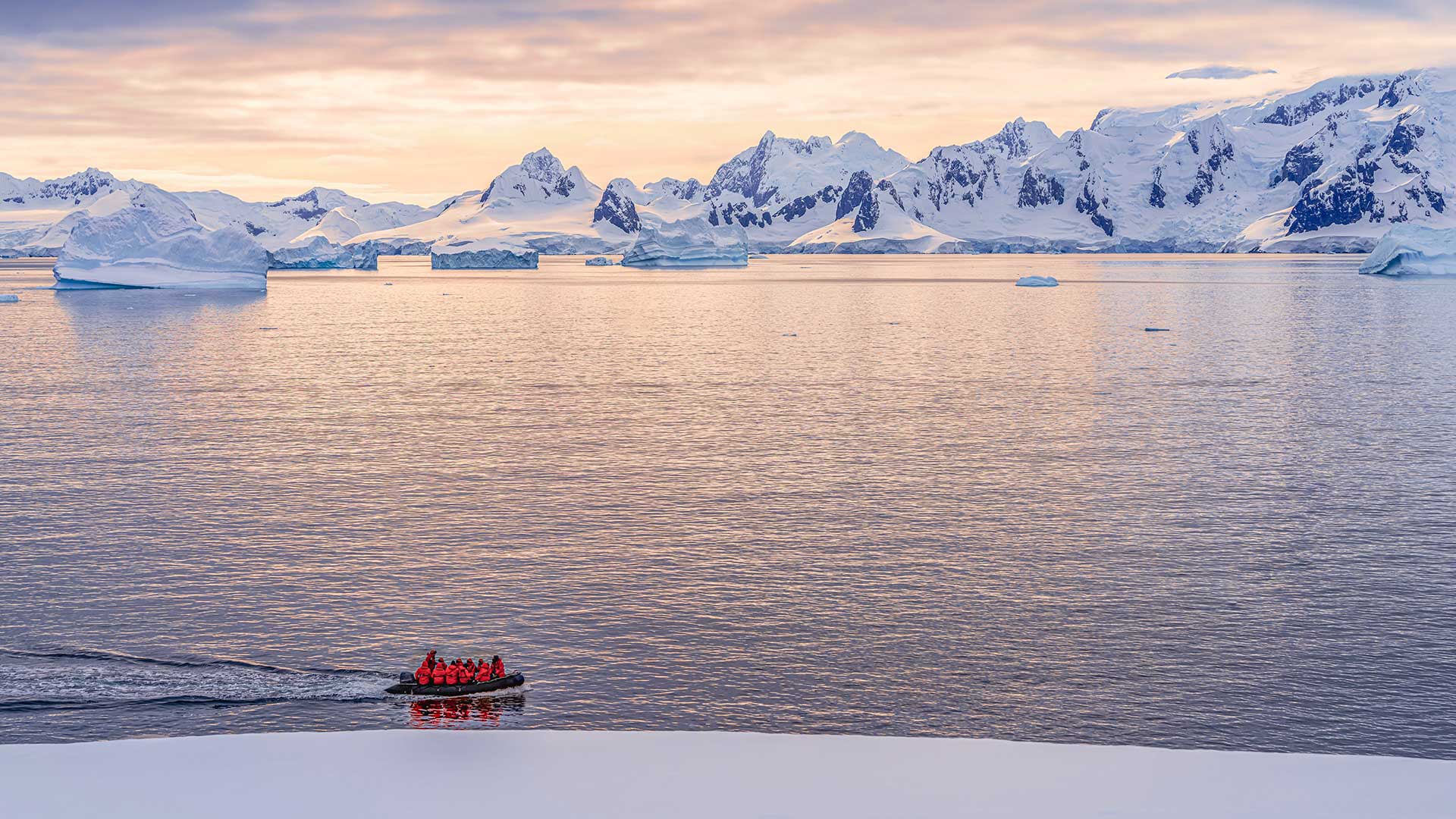
Best Time to Visit Antarctica: A Month-by-Month Guide from the Experts at Wildfoot Travel

At Wildfoot Travel, three decades of guiding travellers to the world’s great wilderness destinations has taught us that Antarctica is where experience matters most.

Antarctica does not do things by halves. It is the coldest, windiest, most remote continent on Earth — and for a few extraordinary months each year, it opens its doors to those prepared to make the journey. Knowing when to go is not simply a matter of picking a date that suits your diary.

The Antarctic season is short, nuanced, and full of variables. Get your timing right and you will witness one of the most spectacular wildlife spectacles on the planet.
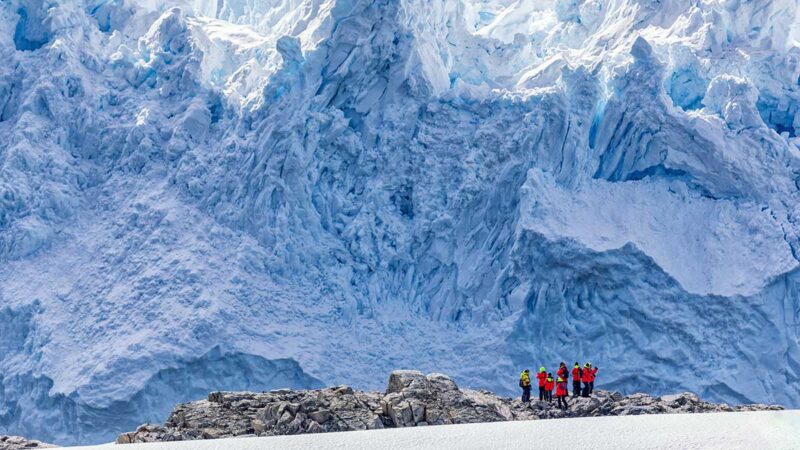
Our specialists have travelled to Antarctica in every month of the season, aboard dozens of different vessels and across every type of itinerary. They know what each departure genuinely delivers: the wildlife spectacles that define a particular week, the ice conditions, and the moments that cannot be planned for but somehow always arrive.

What follows is their honest account of the Antarctic season, month by month — to help you find the journey that is right for you. Take a few moments to listen to Wildfoot Travel’s Dave Cheetham explain what time of year you should choose in order to make the most of time in Antarctica:

The Antarctic Season: The Basics

The Antarctic cruise season runs from late October to late March — a window of just five months that corresponds with the Southern Hemisphere’s summer.

Outside of this period, the continent is gripped by polar darkness, brutal temperatures, and sea ice that makes navigation impossible for all but the most specialist vessels. For expedition cruise travellers, this austral summer window is the only practical option.

Within those five months, however, the experience changes dramatically from week to week. Wildlife cycles, ice conditions, daylight hours, temperatures, and even pricing vary considerably depending on when you travel.

No part of the season disappoints – every month has its own character, its own rewards, and its own particular magic. The question is simply which of those experiences is right for you.

November: The Early Season — Pristine, Dramatic and Uncrowded

November marks the beginning of the Antarctic season proper, and it has a quality that is almost impossible to replicate later in the year: a profound sense of arrival.

The continent is waking up after winter, the snow is still deep and unbroken, and the landscape has an untouched, almost otherworldly perfection to it. You are, in every sense, among the first.

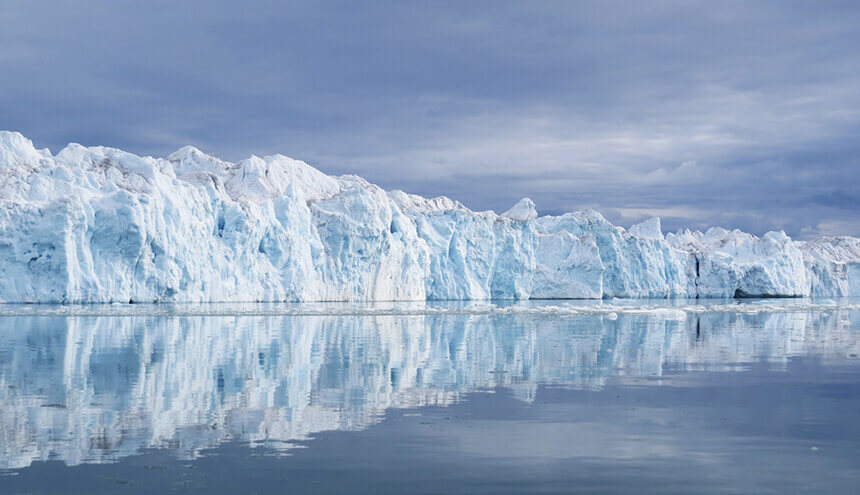
Sea ice is still retreating at this point, which means itineraries tend to focus on the Antarctic Peninsula and nearby island groups, but the visual drama is extraordinary. Vast tabular icebergs – some the size of city blocks – drift in waters of an impossible blue. The light at this time of year, particularly in the long evenings, is superb for photography.

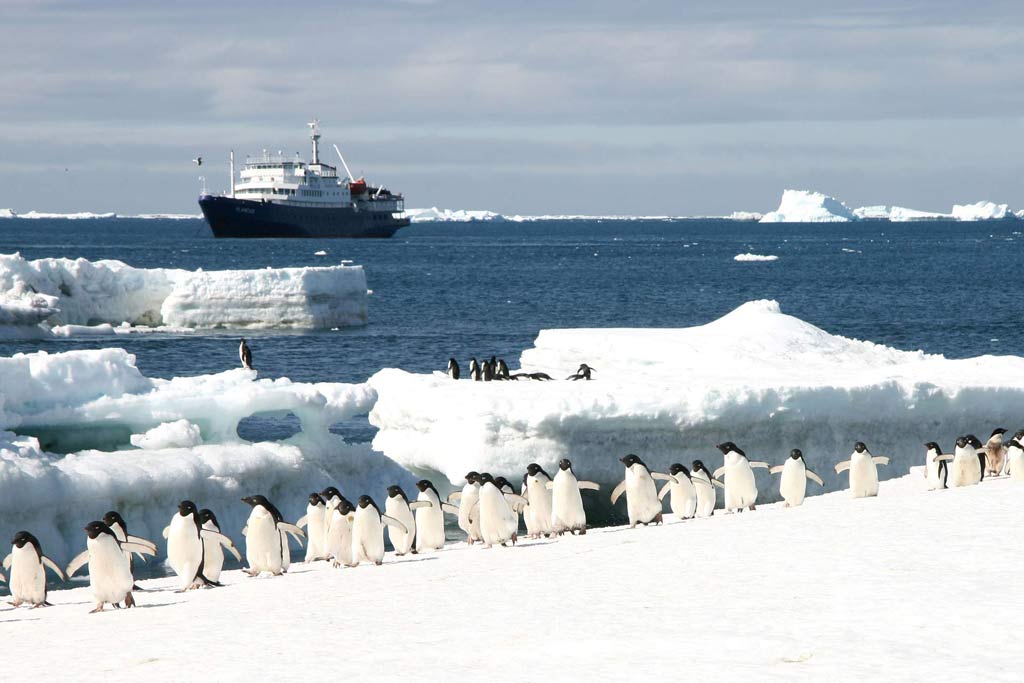
Wildlife is beginning to stir. Gentoo and chinstrap penguins return to their colonies in November and by mid-month courtship displays are well underway – pebble-stealing, braying calls, and the frantic activity of nest-building.

Eggs begin to appear towards the end of the month. Humpback whales are also beginning to arrive, having completed their long migration from tropical breeding grounds in search of the rich krill blooms of the Southern Ocean.

Practically speaking, November departures tend to be less expensive than peak season. For travellers who value solitude and drama over the bustle of high summer, early season is often the revelation of their lives.

Best for:
• Pristine landscapes and photography
• Uncrowded landings
• Early penguin courtship and nest-building
• Opportunities for camping & snowshoeing
• Temperatures: typically -5°C to 0°C on the Peninsula

I wasn’t prepared for the astounding beauty of the sea ice. As far as the eye can see, it just twinkles like glitter – the whole surface catching the light in a way that photographs simply don’t do justice to. Standing on the bridge watching the ship pick its way through it is one of those experiences you find yourself struggling to describe afterwards. And then there are the gentoos. I’d read about the pebble-stealing but nothing quite prepares you for watching it play out in front of you – the bare-faced cheek of it! Pristine Antarctica is everything I had dreamed of, and so much more.

James Turner, Commercial Director, Wildfoot Travel

December: The Season in Full Swing

December is when Antarctica truly ignites. The sun barely sets — by mid-December you have more than 20 hours of daylight — and the wildlife activity across the Peninsula reaches a peak of intensity and energy that is unlike anything most travellers have ever witnessed.

Penguin colonies are at their most frenetic. Eggs begin hatching from early December, and by mid-month fluffy grey chicks are well in evidence. Parent penguins shuttle ceaselessly between the colony and the sea, their return greeted by a cacophony of calling chicks desperate to be fed.

The sheer volume of life – thousands upon thousands of birds, the noise, the smell, the movement – is genuinely overwhelming in the best possible way.

Humpback whale numbers build through December as more individuals arrive to take advantage of the krill blooms, and encounters become increasingly frequent and reliable.

Temperatures on the Peninsula typically range from 0°C to 5°C. Christmas and New Year sailings book up fast and command a premium – if you have your heart set on a festive departure, reserving your place well in advance, often a year or more ahead, is essential.

Best for:
• Hatching penguin chicks and the first fluffy juveniles appearing in the colonies
• More than 20 hours of daylight around the solstice
• Humpback whale encounters becoming increasingly frequent through the month
• A life-changing experience over the festive season
• Temperatures: 0°C to 5°C on the Peninsula

I spent Christmas Eve camping under the Antarctic sky and woke on Christmas morning to Father Christmas arriving by Zodiac to bring us back to the ship. Then Christmas Day itself amongst thousands of gentoo penguins – the braying chorus, the chaos, the sheer wildness of it all. I have done nothing in my life that comes close to it.

— Simon Rowland, Managing Director, Wildfoot Travel

January: Midsummer in the Southern Ocean

January is often described as the heart of the Antarctic summer – and it’s easy to understand why. The season is in full flow, the wildlife calendar is at its most eventful, and retreating sea ice opens up itineraries that simply aren’t possible earlier in the season.

Crossings of the Antarctic Circle, in particular, become more regularly achievable in January, offering access to landscapes and wildlife that feel even more remote and seldom-seen.
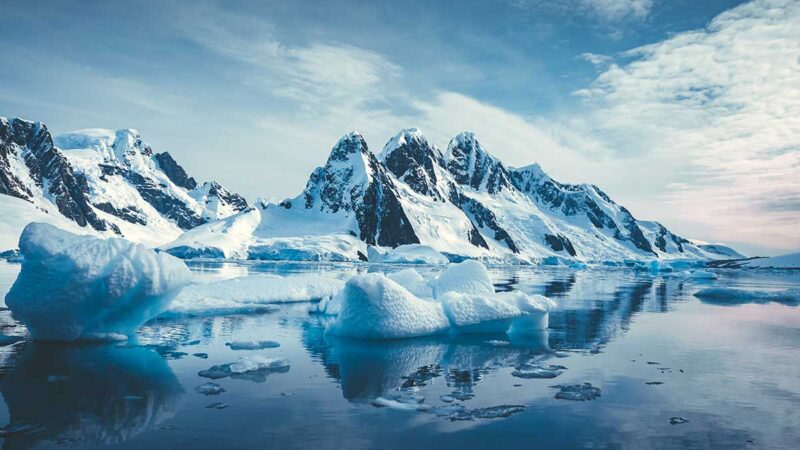
Penguin chicks are growing rapidly and have formed crèches – huddles of juvenile birds that cluster together for warmth while their parents are at sea feeding. Watching the adults return and navigate through a colony of thousands to locate their own chick by call alone is one of the great wildlife spectacles on Earth.

Whale watching is outstanding. Humpbacks are feeding voraciously in the krill-rich waters, and encounters at close range – breaching, lunge-feeding, spy-hopping alongside the Zodiac – are genuinely common. Temperatures on the Peninsula typically range from 2°C to 5°C.

Best for:
• Penguin crèches and rapidly growing chicks
• Antarctic Circle crossings as sea ice retreats
• Humpback whale encounters at their most frequent
• Travellers who want the wildlife calendar at its most eventful
• Typical Peninsula temperatures 2°C to 5°C

The colonies were alive with chicks – just this dazzling, chaotic mass of grey fluff as far as you could see. Then, on the same day, a leopard seal and orca. I genuinely didn’t know where to look.

— Sylvia Buckley, Administration Manager, Wildfoot Travel

February: Whales, Fledglings and the Deepest South

February is a month of transitions. The season is maturing, the chicks are fledging, and the whales are firmly established in the Southern Ocean’s feeding grounds.

By February, gentoo and chinstrap chicks have grown their waterproof adult plumage and are beginning to take their first tentative steps towards the sea. Watching a penguin chick experience the ocean for the first time – hesitant at the water’s edge before suddenly diving in – is the kind of moment that stays with you for life.

With sea ice at its annual minimum, ships can push further south than at any other point in the season, opening up routes and landscapes that are simply inaccessible earlier in the year.

Humpbacks, fin whales and minkes are feeding on dense krill concentrations, and whale encounters are a near-daily occurrence.

Best for:
• Whale enthusiasts – humpbacks, fin whales and minkes at their most prolific
• Witnessing penguin chicks taking to the sea for the first time
• The deepest southern itineraries as sea ice reaches its annual minimum
• Typical Peninsula temperatures 2°C to 5°C

We were barely ten minutes into the Zodiac excursion when the guide cut the outboard motor. Beneath us, a leopard seal – enormous and completely unbothered by our presence – swept under the boat, circled us, then rose slowly to the surface to get a better look. This happened repeatedly for the best part of fifteen minutes, in complete silence. Then things took an unexpected turn. It turns out (in this instance at least) a leopard seal can develop a very particular kind of attachment to an inflatable Zodiac. We were all perfectly calm, of course. The leopard seal, on the other hand, was absolutely convinced Barry White had just pulled up.

James Turner, Commercial Director, Wildfoot Travel

March: The End of the Season — Quiet, Raw and Unexpectedly Beautiful

March marks the end of the Antarctic summer, and the continent begins its slow retreat into winter. Departures become rare after mid-March, but for those who do travel in early March, the experience has a quality all of its own.

The colonies are quieter than the frenetic peak of midsummer, but by no means empty – gentoo penguins remain well into March, and there is something deeply satisfying about encountering them without the intensity of high season. The landscape is changing too. A dusting of fresh snow returning to the high ground, the light taking on a lower, more golden quality as the sun dips closer to the horizon – Antarctica in March has an atmosphere that is harder to put into words than any other part of the season.

March is also one of the finest months of the season for whale watching. Humpbacks, fin whales and minkes are still feeding voraciously in krill-rich waters, and with fewer vessels operating, encounters can feel extraordinarily intimate.
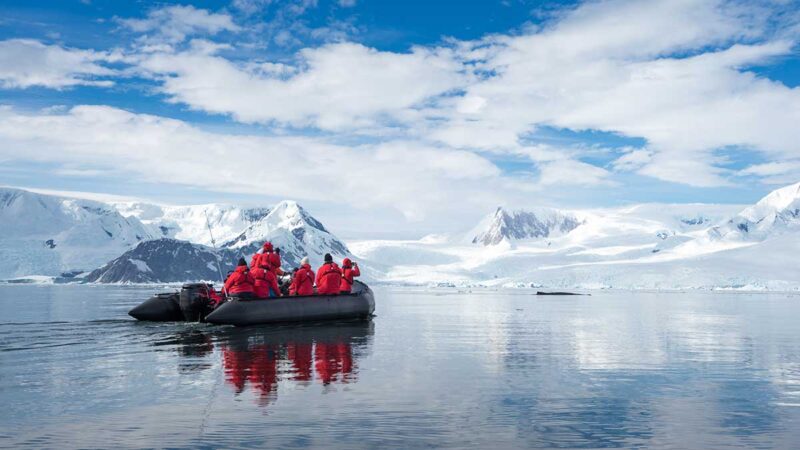
The returning darkness brings longer, more dramatic evenings that lend the landscape a brooding, cinematic quality. For a handful of very specialist departures, those darker skies also create the conditions for searching for the Aurora Australis – one of the rarest and most sought-after experiences in expedition travel.

March is Antarctica stripped back and elemental. For the right traveller, it is completely unforgettable.

Best for:
• Photographers – the low golden light of late summer is arguably the finest of the season
• Continued good whale watching
• Travellers who value atmosphere, solitude and a more contemplative experience
• Watching unfortunate penguins run the leopard seal gauntlet
• Those seeking one of the most elemental, raw versions of Antarctica there is

We paddled out towards what we thought were two rocks in the bay at Neko Harbour. When we stopped and let the kayaks drift, we realised our mistake. They weren’t rocks. Two humpback whales, logging – sleeping at the surface – barely metres away. Close enough to hear them breathe in. Close enough to feel the warm, slightly questionable mist as they breathed out. Watching them hover in the stillness, rising and falling with their own buoyancy, in absolute silence – twenty minutes that I will carry with me for the rest of my life.

James Turner, Commercial Director, Wildfoot Travel

Choosing by What You Want to See

If picking a month feels overwhelming, let your wildlife priorities guide you:

• Penguin courtship and nest-building: November
• Hatching eggs and first chicks: Late December
• Fluffy chicks and feeding frenzy: January
• Fledging penguins taking to the sea: February
• Whale watching (peak): February and March
• Leopard seals: February to March (present throughout the season)
• Pristine icescape photography: late October to early December
• Antarctic Circle crossings: Late January to February

A Word on the Drake Passage

No guide to visiting Antarctica would be complete without addressing the Drake Passage — the 800-kilometre stretch of open water between the tip of South America and the Antarctic Peninsula. It is one of the most storied stretches of ocean on Earth, and its reputation is well-earned.

The Southern Ocean is simply unpredictable, shaped by the convergence of the Atlantic, Pacific and Indian Oceans, and no month consistently delivers calm conditions on the Drake.

The honest answer is that no month consistently delivers calm conditions on the Drake. The Southern Ocean is simply unpredictable, shaped by the convergence of the Atlantic, Pacific and Indian Oceans, and the famous “Drake Lake” – glassy, almost surreal calm – and the “Drake Shake” – powerful swells and rolling seas – can occur at any time of year. Modern expedition ships are built for these conditions, and the crossing itself – two days each way – is part of the journey.

Most travellers, it has to be said, come to relish it. For those who prefer a calmer start to their expedition, fly-cruise options departing from Punta Arenas to King George Island offer a direct route to the Peninsula, bypassing the Drake entirely.

Practical Notes

Booking lead time: Popular departures — particularly Christmas, New Year, and peak January sailings — can sell out 12 to 18 months in advance. We always recommend getting in touch with us as early as possible, even if your travel is still some way off.

Itinerary length: Most Antarctic Peninsula cruises run from 10 to 14 days, with the Drake Passage accounting for roughly four of those days in transit. Fly-cruise options, which bypass the Drake entirely, are available and can add more time in the Peninsula itself.

What to combine: Many travellers choose to include the Falkland Islands and South Georgia in their itinerary — both extraordinary destinations in their own right. The timing considerations for South Georgia are worth discussing with our team when planning your itinerary.

Talk to Us

The question of when to visit Antarctica rarely has a single right answer — it depends on the wildlife you most want to see, the type of experience you are seeking, the itinerary you have in mind, and your budget. It is exactly the kind of decision our specialists exist to help you with.

We have travelled to Antarctica in every month of the season, across dozens of different vessels and itineraries. We know what each departure genuinely delivers — the highs, the trade-offs, and the moments that will stay with you for a lifetime.

Get in touch with the Wildfoot Travel team to start planning your Antarctica expedition.

wildlife photography of gannets on Grassholme Island ‘Cornwall’ My Patch

By Wildlife Photographer Graham Jones

Graham Jones

I live in Lerryn, Cornwall, beside the River Lerryn, a lovely little river that flows into the River Fowey. I have a lifelong passion for wildlife photography. These days, I am lucky enough to spend my time shooting images for books, talks, and articles. 

Whenever I photograph birds, I am usually surrounded by wildlife of all sorts, so I take those opportunities to snap away at anything else that takes my interest while I can. 

My wildlife photography in the UK takes me to many remote and interesting locations, which inevitably lead me to take spontaneous travel shots along the way. 

Following birds has taken me all over the world (with the help of Wildfoot Travel) but my local patch is in the South West of England – and it is no accident that I choose to live here.  

The South, and South West coast of England have a distinctly-mesmerising natural beauty.  Moving West through Devon and Cornwall you discover a land rich in wildlife, history and culture. As you travel west, the landscape becomes increasingly rugged with huge sea cliffs, dense woodland, rolling hills and peaceful moorlands. Each of these areas is brought to life by its own unique waterways including rivers, estuaries and creeks. 

Besides being a natural haven for all kinds of wildlife, this area is also a land of ancient Celtic myths, Arthurian legends, pirates, smugglers, and evidence of a once-thriving mining industry.

Sailing along the rugged coastline, the ports of Plymouth and Dartmouth, retain a fascinating, deeply-ingrained maritime heritage. Further west, the harbour town of  Fowey, (pronounced Foy), has managed to retain its charm despite being a busy commercial harbour. Its deep-water channel is used by many big ships delivering their cargo, which regularly includes China Clay.  The picture-postcard harbour, carrying over 1500 moorings, is bustling with yachts and other small boats. Fowey also welcomes over 6000 visiting yachts and motor cruisers each year.

Over the centuries, Barbary Pirates sailed these waters, along with the Spanish Armada, British Privateers, smugglers and pirates. If that rich heritage is not enough to capture your imagination, the wildlife and the scenery are both outstanding. 

The name Fowey comes from the Cornish for Beech Tree, and it is easy to see why. Beech woods line the river upstream and the small creeks and rivers, like the Lerryn, that feed into it. Rare birds like Little Egrets, once only found on the near continent, have colonised these woodlands. The trees and bushes that line the riverbanks also provide a haven for many other birds including owls and kingfishers. The stealthy and patient visitor may even be lucky enough spot an occasional otter.

wildlife photography of a Little Egret in Cornwall

Spring is a good time to see West Country wildlife at its finest. Birds that migrate to Africa for the English winter like wheatears and fly catchers begin to return. Whilst overshoots of rare Mediterranean birds like Hoopoes and Bee-eaters can often be witnessed.    
Sea birds who have spent the long-winter traversing oceans, return to our waters to breed. Gulls, guillemots, razorbills, and puffins take their place back on the islands and cliffs. Gannets nest in spectacular colonies and fulmars, shearwaters, and petrels also begin to reappear.  Whilst on land, wildflowers abound. 

Moving further west there is a feast of wildlife photography opportunities on offer, with chances to see dolphins, porpoises, and basking sharks. Minke and Humpbacked whales also navigate these waterways. 

Trips to historic towns, derelict mines, lost gardens and wildlife-rich moorlands, offer the chance to make your own discoveries. The South West Coast Path is a continuous footpath, stretching over 600 miles long.  This well-managed pathway holds something for everyone, from short walks to long hikes which can include sightings of even more migrants and resident birds. 

The picturesque, secret-bays and idyllic, tiny beaches in this area have been used for many film sets (including Poldark) and there is always the chance to see a seal that has hauled out to enjoy a well-earned rest on the golden sand.  

wildlife photography of an Atlantic seal

Evidence that the reintroduction scheme is working well, the county bird of Cornwall, the Chough, is spotted with increasing regularity and can be easily identified by its red beak and red legs.  Peregrine falcons haunt the cliffs, and as the countryside squeezes towards Land’s End, rarer and rarer birds are regularly spotted. Birds like the Sociable Plover which should have been in Kazakhstan, turned up near Land’s End recently. 

Following the coast as you travel further west, the historic port of Falmouth appears. Travelling onwards unveils the tiny fishing villages of Coverack and Cadgwith, before reaching the most southerly point of mainland England, The Lizard peninsular. 

Then on to St Michael’s Mount, Penzance, the working fishing port of Newlyn and the beautiful village of Mousehole towards Land’s End. Beyond that, the USA is the next stop at just over 4000 miles west.  

Twenty seven miles off the coast is the possibly the jewel of the Southwest. The Isles of Scilly. These remarkable islands bask in a sub-tropical climate, helping to create their stunning beauty. This is a place of flowers and shipwrecks. 

In the days of square-rigged sailing ships, the islands were a magnet for wrecks. These days they attract the wrecks of birds. Each year, migrating birds that overshoot their European destination, often ending up on the isles of Scilly. 
In Autumn, birds that migrate south from Siberia to South Asia can become disoriented in bad weather. Losing their bearings, they hit Britain, travel south and end up on the Scillies. The same is true of American birds that migrate south from Alaska, often getting caught in westerly gales and landing in the isles of Scilly. 
Every autumn hundreds of birdwatchers visit. It is said that you have more chance of seeing rare waders here than on their nesting sites in Siberia or Alaska.

As the Spring arrives, flowers grow, puffins nest, terns return, and seals are common. Bringing the beaches back to life, revitalised in a display of natural colour and activity. Perfect for wildlife photography. 

Turning east back towards land, you begin to follow the north Cornwall coast. Here it is easy to see how the full force of the west winds, and the powerful seas they create, have carved out the imposing landscape. Towering cliffs, extensive beaches (ideal for surfing) and smaller, wilder bays pepper the coastline. 

Lying off the coast of Devon, the island of Lundy is an old pirates’ haunt. It is surrounded by one of the UK’s first marine nature reserves, an area of water protected from overfishing, where underwater life thrives. A small colony of puffins still exists and once again migration is a good time to visit.

Although technically outside ‘my patch’, travelling north towards the headland of South West Wales, your reach the stunning islands of Skomer and Skokholm and the uninhabited island of Grassholme the nesting place of puffins and Gannets. 

Of course, it is possible to travel onwards right around the UK, unlocking countless opportunities for wildlife photography. North through the Celtic Sea, a known hotspot for sightings of huge numbers of dolphins. On past the Welsh coast to the Isle of Man and up to the coast cost of Scotland. Then on to the islands of the Inner and Outer Hebrides, and beyond where the Orkneys and Shetland await.  The sea birds change as you go, with more kittiwakes, more predatory Skuas and more chance of seeing birds from the far north.  

But that is not my local patch! 

Graham Jones 

Check out all our expedition cruises in the British Isles

Our Brand New David Attenborough Explorer Itinerary 2020

An incredible wildlife adventure taking in five continents over four months.


We have launched a brand new wildlife adventure for 2020, inspired by the legendary natural historian Sir David Attenborough.

If you’re a fan of the iconic documentary makers’ work you’ll definitely want to find out more about our incredible new itinerary, focusing on the fascinating destinations and wildlife featured across the popular documentaries.

This brand new itinerary for 2020 combines a selection of our greatest wildlife adventures across five different continents to take in some of the most fascinating scenery and species which have been the star of the show in Attenborough’s recent works.

Starting in Antarctica in February and ending in the Arctic in June, passing through South America, Africa, and Asia along the way, this intrepid itinerary offers the chance to see everything from pumas to polar bears, painted wolves and penguins.

Read the full itinerary below.

Antarctica – February 2020 (14 Nights)

ext

Our intrepid wildlife itinerary begins in Antarctica with an epic 14-night polar adventure in the Falklands. Our Falklands Birds and Wildlife tour takes in the remote wilderness of the Falkland Islands, offering the opportunity to see the most spectacular wildlife this region has to offer, including albatross, 5 different species of penguin, seals, dolphins, orcas and a myriad of birdlife – many of which have played a star part in Attenborough’s documentaries.

South America

Costa Rica – March 2020 (11 nights)

ext

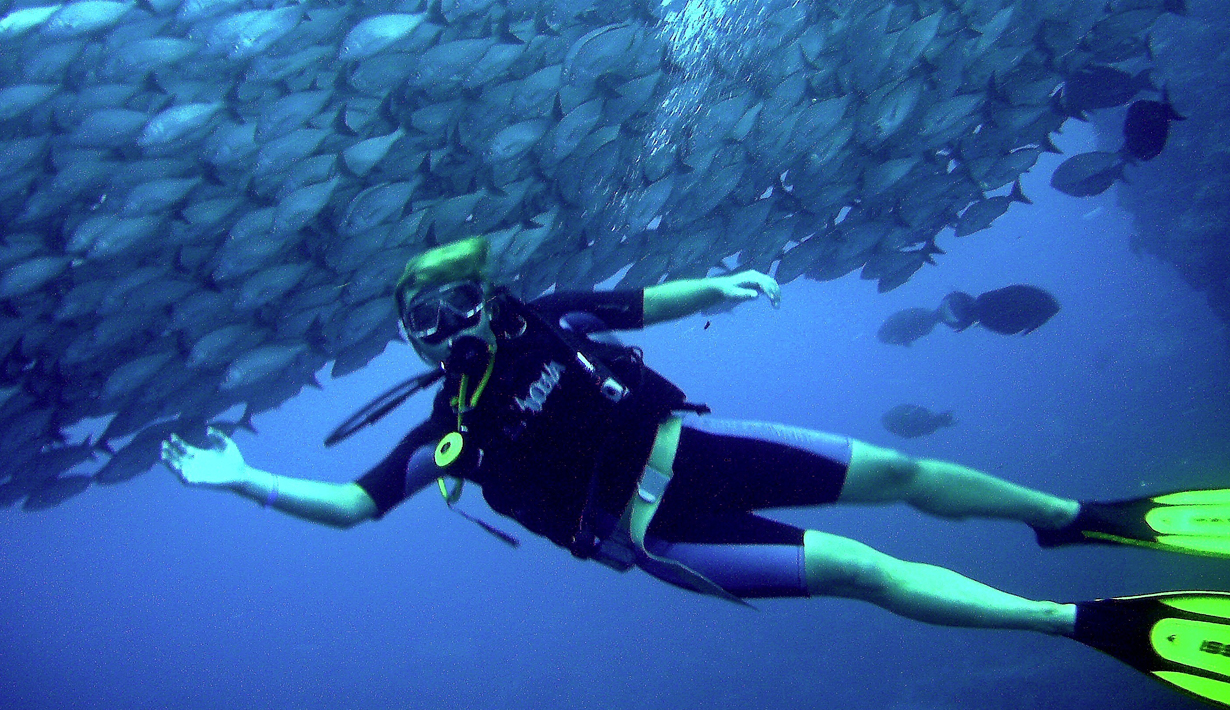
The tour continues to Costa Rica with our incredible 11-night scuba diving experience in the Coco Islands. This underwater adventure offers the chance to explore one of the most impressive diving destinations in the world, home to over 300 different species of fish. Other fascinating creatures to witness here include turtles, dolphins and sailfish – all which have featured in Attenborough’s documentaries.

Ecuador – March 2020 (9 Nights)

hinese Hat and Rabida Island

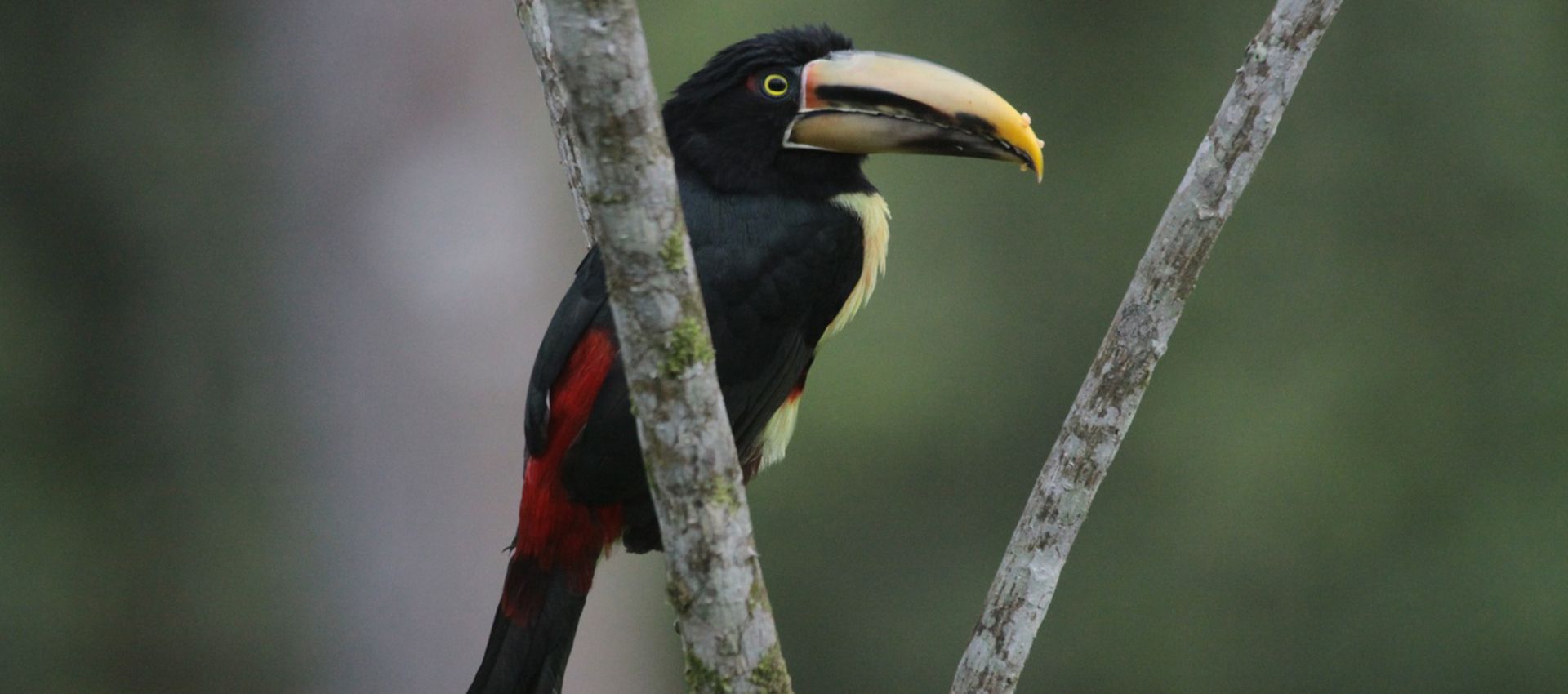
The next leg of the tour is our 9-night Galapagos adventure, which takes in the west, central and east islands. The wildlife journey includes the opportunity to see the largest colony of marine iguanas on Fernandina Islands, a visit to a nesting site for the flightless cormorant on Isabela Island and pelican spotting on Rabida Island.

Argentina – March/April 2020 (11 Nights)

ext

Next up is Argentina, for our brand new Patagonia, Pumas and Glaciers tour. This 11-day tour offers the chance to see pumas in the wild in the very location where Attenborough filmed his unforgettable Seven Worlds One Planet episode. This thrilling tour also includes a visit to  Los Glaciares National Park and a hike along the Southern Glacier.

Brazil – April 2020 (11 Nights)

ext

Africa

Zimbabwe – April 2020 (6 Nights)

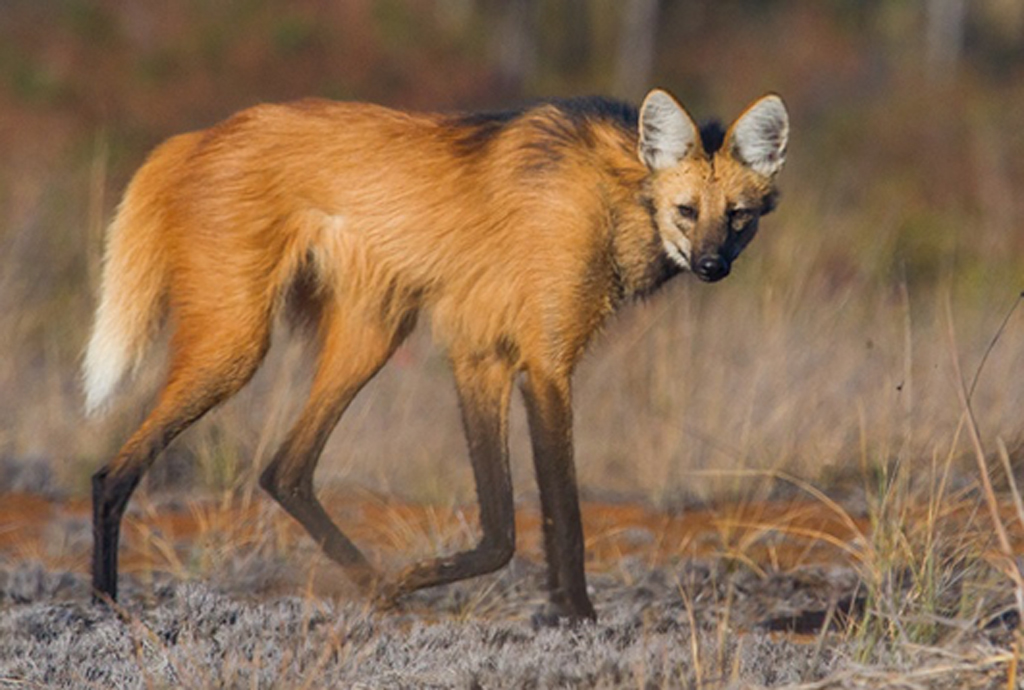
Concluding our time in South America, we head to Brazil for our Amazon, Pantanal and Savannah tour. This trip offers a unique opportunity to see the maned wolf in the wild, as well as the jaguars and anteaters which have featured in Attenborough’s documentaries. This tour includes accommodation in eco-lodges set among the incredible nature, as you visit each of these three fascinating areas of varied terrain.

ext

Our first Africa leg of this itinerary is in Zimbabwe, where you can visit the Mana Pools National Park which was featured in Attenborough’s Dynasties documentary. This 7-day Super Sensory Safari is a first of its kind and provides a truly immersive safari experience, with activities specifically designed to engage all of the senses, including a walking safari led by expert professional guides.

Botswana – April/May 2020 (12 Nights)

ext

The second African safari stop is in Botswana where you can see the beauty of the African elephants in the wild at Chobe Riverfront, home to the largest density of African elephants. This Wild Botswana tour also visits Okavango Delta, known as one of the best destinations in all of Africa for wildlife lovers.

Asia

India – May/June 2020 (12 Nights)

andhavgarh National Park

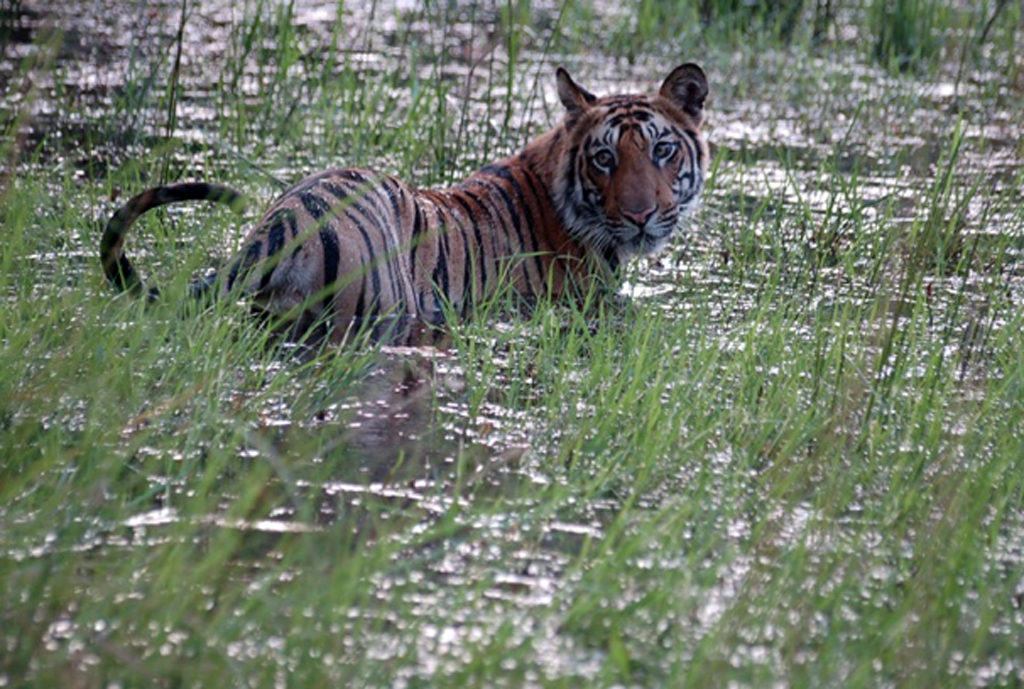
In Asia, take in our Wildlife Special focusing on leopards, tigers and rhinos. This 12-night tour includes tiger viewing in two of India’s best tiger reserves and a safari in Kaziranga Park – home to the world’s largest population of one-horned rhinoceros.

Arctic – June 2020 (10 Nights)

xploring Spitsbergen

This magnificent wildlife itinerary ends in the Arctic with our Introduction to Spitsbergen tour. This 10-night polar expedition will encounter polar bears, arctic foxes, whales and walruses in the wild as you explore the very best of what Spitsbergen has to offer.

This incredible 4-month itinerary taking in five different continents costs from £40,411pp. This doesn’t include transfers between countries. All internal transport within each leg of the trip, accommodation, and excursions are included as stated in each individual tour itinerary.

Contact us now to book

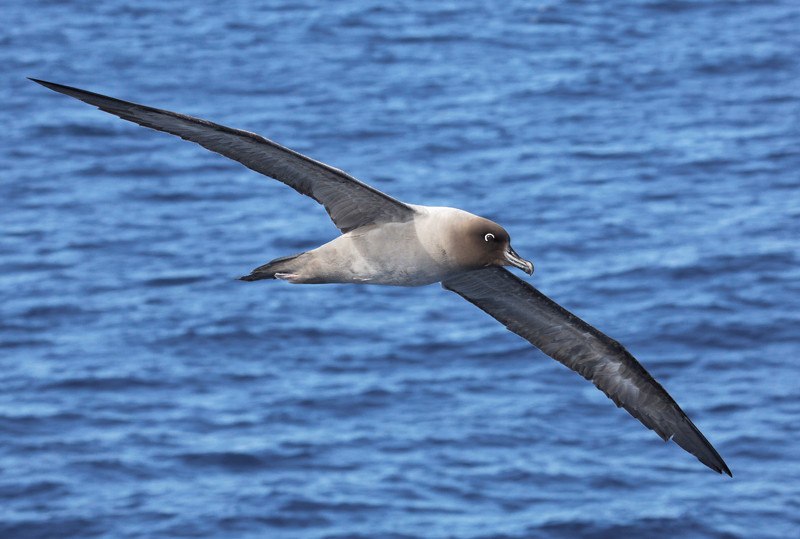
Albatross in Antarctica What’s the problem?

Seabirds, especially albatross, are globally caught in longline fisheries for tuna and swordfish. Birds dive to catch the bait as the lines and baited hooks are deployed, becoming hooked, dragged underwater and drowned. This source of mortality is contributing to an increased risk of extinction to 15 of the 22 albatross species and kills an estimated 100,000 albatross annually.

The Hookpod provides the solution to this problem in a one-stop mitigation device which negates the need for other measures, in particular tori lines and lead weights. Extensive trials over 7 years have proven the efficacy and durability of the pod.

We are currently working with the New Zealand industry and government to provide Hookpods for 1-2 vessels operating in the surface longline fleet fishing for Bluefin tuna. This fishery is a particularly high-risk one for albatrosses and traditional mitigation is not completely effective. Seeding this fishery with Hookpods will help the NZ government demonstrate the efficacy of the Hookpod and push for the opening of international regulations to allow their use.

What’s the answer?

The Hookpod is a truly remarkable invention which virtually eliminates the seabird bycatch in pelagic longline fisheries. It has been shown to reduce bycatch by over 95% in trials, without affecting catch rates of fish or affecting fishing operations.

By encapsulating the barb of the hook within a durable, reusable polycarbonate case, the Hookpod renders it harmless to seabirds, safely taking hook and bait to a depth of 10-12m, where a patented pressure release system springs the pod open, using the pressure of water, and releasing the hook to begin fishing. We are developing this opening mechanism to open at 20m and are hopeful that this may have impact on reducing turtle bycatch as well.

hookpod provides the solution to long line fishing catching birds

The Hookpod is fitted to the fishing lines and stays in place on the branchline above the hook, being used each set once the hook is baited and then retrieved as part of the fishing gear with the line, closed and stored in the setting bins, causing no additional work for the crew. The device has been shown to be very durable under standard fishing conditions, with trials showing that pods can remain in daily use for over 2 years.

provides the solution to longline fishing catching birds

Every day, hundreds of albatross die in longline fisheries. But there is a unique and exciting new solution to halt this. It’s called a Hookpod. Hookpods cover baited hooks as they enter the water and stop birds getting caught as they dive for baits. They are effective, easy to use, safe and economic for fishermen. If every pelagic longline fishing fleet used Hookpods, I believe we can stop the accidental death of these magnificent ocean wanderers.

DAVID ATTENBOROUGH

How can you help?

By sponsoring a hook you can provide a Hookpod direct to the longline fishing industry to protect against seabird bycatch. Just £5 will buy a Hookpod and we will work with our partners in New Zealand and around the world to equip a fishing vessel – saving the albatross, one hook at a time.

Hookpod Benefits

*Reduce seabird by catch by 95%

*Operationally easy to use

*Long lasting and durable for at least 3 years

*No impact on target catch rates

To sponsor a Hookpod visit www.hookpod.com


The emporer penguins of Antarctica's snow Hill Island Snow Hill Island


Travel Expert Gillian Landells checks out the polar cruise liners refit

Wildfoot’s polar travel expert Gillian Landells tells us about her favourite polar cruise destination, Snow Hill Island, Land Of The Emperor Penguins.  As a wildlife enthusiast and keen amateur photographer, she reveals why she feels drawn to this remote island wilderness. Continue reading →

Polar Cruise Vessel The Spirit Of Enderby Jewel of the Russian Far East

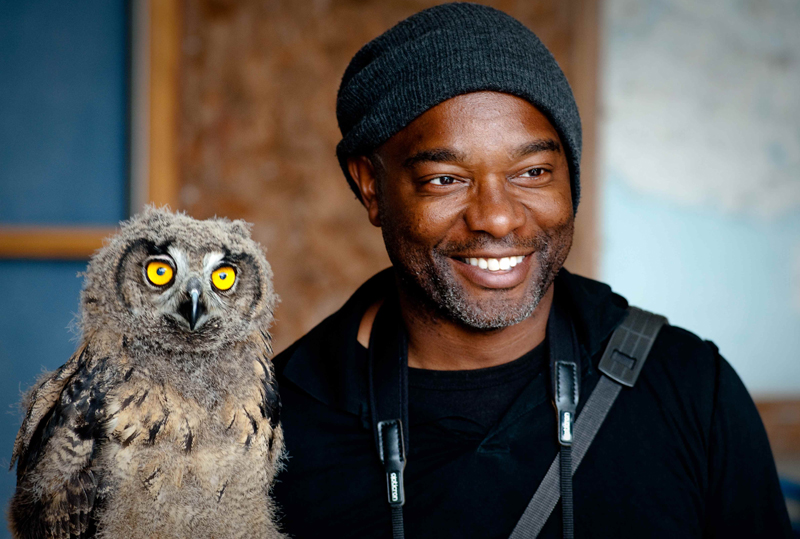
Mike Unwin, travel and nature writer based in Brighton UK. Voted UK Travel Writer of the Year by the British Guild of Travel Writers. 
Mike Unwin, travel and nature writer

Mike Unwin is a freelance travel and nature writer based in Brighton UK. He writes regularly for the Telegraph, Independent, BBC Wildlife and numerous other publications, and is the author of more than 30 books for both adults and children. In 2013 Mike was voted UK Travel Writer of the Year by the British Guild of Travel Writers.  

Here Mike gives us a brief account of his experience on an expedition cruise aboard the Spirit Of Enderby with Wildfoot Travel.

Continue reading →

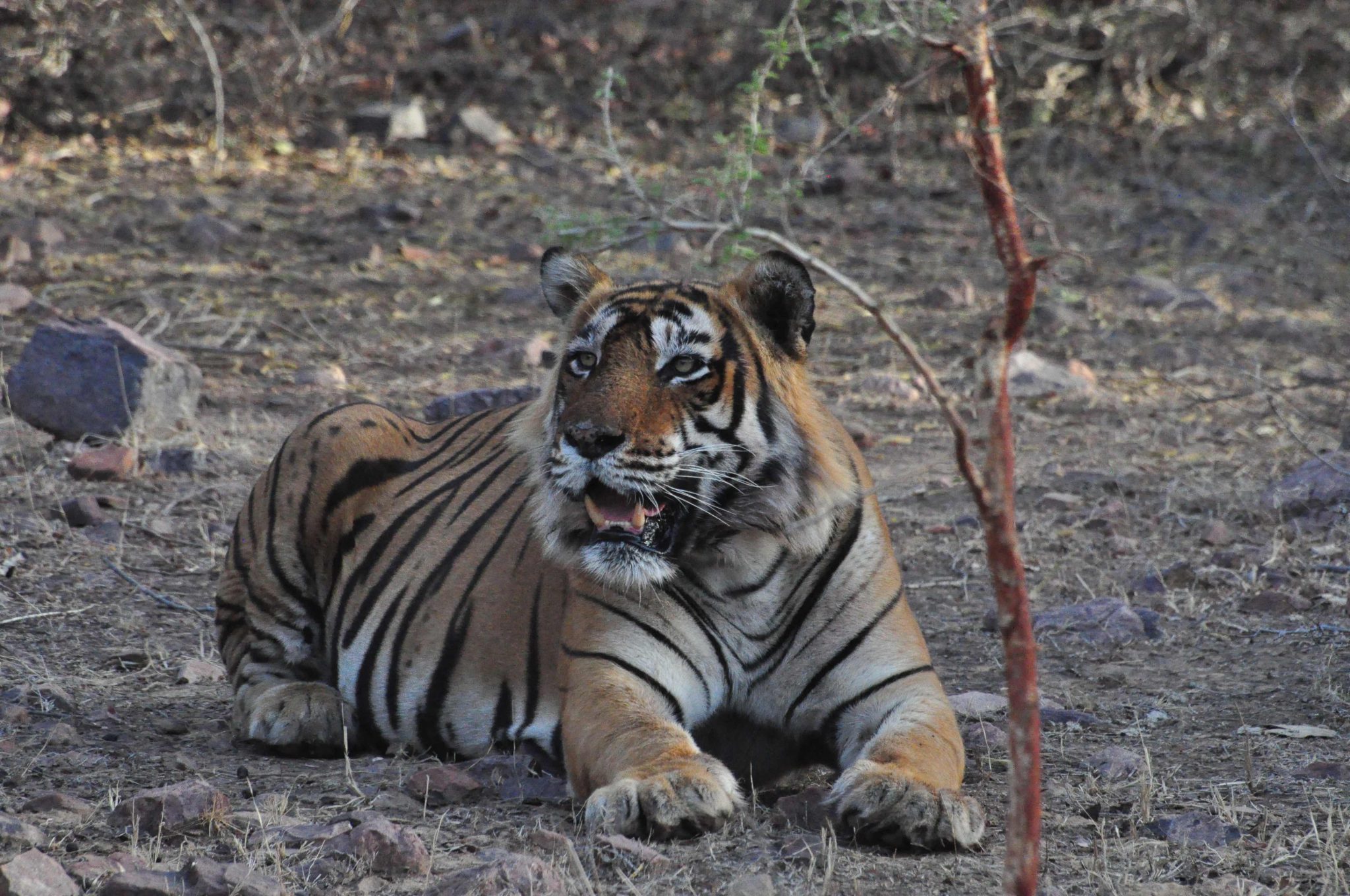
9 year old dominant male tiger Harsh Vardhan – Wildfoot Ambassador

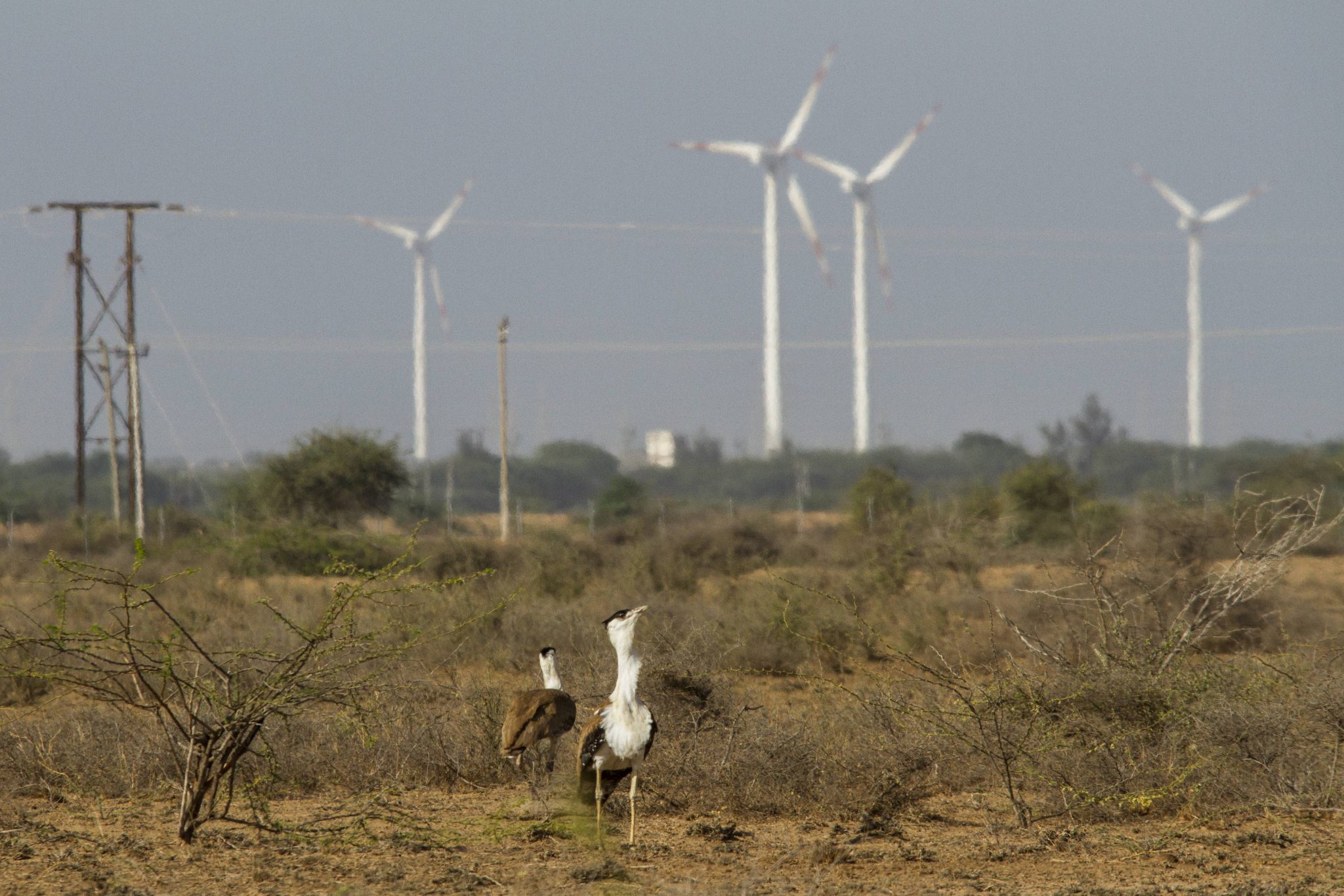
Two male Great Indian Bustards facing wind mill threats in India's Gujarat
Two male Great Indian Bustards facing wind mill threats in India’s Gujarat

Pioneering Indian conservationist and wildlife expert Harsh VardhanPioneering Indian conservationist, wildlife expert and good friend of Wildfoot Travel, Harsh Vardhan is coming to talk at the Rutland Birdfair this August.
Ahead of his trip, we caught up with him and asked him a few questions, to find out exactly what he’s been up to and what his plans for the future are.

If you are coming to the Birdfair, make sure you don’t miss Harsh’s talks:

18 Aug Friday 2pm ‘Great Indian Bustard’ – only 90 left in the world, what’s next for this amazing iconic bird.

20 Aug Sunday 2pm ‘Indian Tiger population increases’ – a good news story. But do tigers have a place to go?’

After the lectures Harsh will be on the Wildfoot Stand to meet anyone interested in visiting India.


1.     At what age did you start to feel that something had to be done about conservation and wildlife protection within India?
A: In 1969-70, when the IUCN General assembly met in New Delhi and the crisis over Tigers erupted . India’s Prime Minister, Indira Gandhi banned Tiger hunting in 1970 all over India. So emerged Project Tiger. “An impossible project” we all thought!
As it rolled on, I tried to attend most meetings. I read all about wildlife and as a journalist I commenced reporting wildlife conservation.
I covered the visit of Prince Bernhard of the Netherlands to Ranthambhore in 1974, at the time he was President of WWF – International.
My news item went round the globe within hours and the die was cast.
Prince Bernhard observed a Tiger and a leopard sharing the same kill at 10 pm in the park in the peak of winter and we all shivered as we watched the scene through torch lights fixed to the engine of a jeep!
 
2.  What are the most important conservation and wildlife issue in India today?
A: The needs of our population creates a huge amount of pollution. The natural habitat is disappearing and finding a solution seems to be a low priority. Things are improving but only at a snail’s pace thanks to layers of bureaucracy (a legacy left by the British).
 
3.  You are a major force and campaigner for Indian birds and wildlife, what is the good news to come out of India at this time?
A: Science has been a priority in conservation for the past two decades. Tiger Conservation is an iconic success for India in the eyes of the world. There has been global cooperation from WWF, BirdLife International etc., which has helped us to gain ground.
Yet all this is simply a drop in the ocean, the force of Indian non-government organisations (NGO) is fierce. Each one keeps a vigil over wild species and each on is willing to take a stand against authorities who are in the wrong. These organisations are spread all over India, though not networked yet they are doing a very good job individual.
I myself am an NGO.
 
4.     We know you will be giving two lectures at Rutland Bird Fair this year in August, one on the Ranthambore Tigers and the other on The Great Indian Bustard looking at the future for both species.
Can you see a positive outcome for the survival of the Bustard Harsh and the growth of the numbers of Tiger in India?
A: Bustards: India started its conservation in 1979-80 when I successfully prevented Arab Sheikhs from carrying out illegal falconry in the That desert.  
The Bustard conservation was started and inviting overseas experts, we held the first ever international symposium on Bustards in Jaipur in 1980.  We produced a book “Bustards In Decline.” But the bureaucracy and the damned  forest officers paid little attention, so the Great Indian Bustard was driven to the brink of extinction. The population has plummeted from 1,300 in 1980, down to only 90 today!  

Hue and cry has been our lone defence. 2017 saw a meeting in Jaipur attended by experts from  Britain and  Spain to decide on captive breeding of the species in the Desert.  I  attended the meeting but a strong section of the government did not want me to be included. They thought I was too harsh and too critical, so they tried to keep me out but I went to the meeting anway . 

We live in hope.  The habitat has been better protected for the past 4 years in the Desert, by the same set of forest officials who were doing nothing earlier, so officials can improve.

 A. Tiger: Ranthambhore Tiger Reserve is overflowing with cubs. Nine females have cubs at present (July 2017)  or about to become adults or are pregnant.
We have nearly 68 Tigers compared to only 14 in 1994.
They are moving out of the park. Adult male cubs go out, as the dominant males do not allow them to remain inside (psychologically not letting them mate with own mothers too).
They go out and live in scrub areas with no natural prey. So they prey upon cattle, which makes the villagers unhappy . The forest officials have no plan to deal with the excess tiger population. They say it is a success but we say ‘yes it is a success but the excess population is getting decimated in areas where there is no Tiger Management’.
 
 
5.     You have edited, co-written and authored various wildlife, birding and conservation books in the past. You are working on about an Indian tribe called Bishnois – Can you tell us more about the book and its subject?
A: More than 500 year old success story .
Bishnoi Sect (not a tribe), were born in the desert and live by 29 principles, nature conservation being one of them.
Of the million people on earth who are Bishnois, one fifth of the them live in Jodhpur, the gateway to the desert.
They give away their lives to protect gazelles and black bucks and what do they receive  a double column piece in the daily newspaper!
I’d like to revive the spirit of the Bishnois and make it as widely acceptable as possible.
Flora and fauna both are for humanity’s welfare, and should not be confined to one community or a single country. The Bishnois were the first ‘Hug The Tree’ movement starters. In 1730, 363 men and women gave away their lives at Khejreli (near Jodhpur) when the prince wanted to cut trees to burn lime for a new palace to be built. Four such self sacrifices have occurred around that area since.
We all should take their exemplary examples forward. The book is to outline all this in a broader context including other communities across the world involved in similar initiatives. There is a long way to go.
 
6.     How can our wildlife and conservation community from all over the world support Indian wildlife campaigns especially the ones you are involved in right now?
A: By joining hands together, arriving at consensus and assuming the lead role in fields. Not merely as academics, or confined to face-book items and pep talks over dinner. Together we can make a difference.
Look at Wildfoot Travel’s and Simon Rowland.  We were unknown until a year ago Today, Simon is taking the the lead and putting us on the map. Now we need a thousand more Simons dotted around the UK.
 
7.     Your love of wildlife has no doubt rubbed off on your children and also your grandchildren and I know you are very close with them. Do you feel there’s a growing wildlife and conservation movement within the youth of India today?
A: It is Incredible. 21 years ago, inspired by my first visit to BBWF when Tim Appleton MBE (One of the founders of Rutland Bird Fair) took me around Rutland in a golf cart, my eyes were opened and I decided to have a Birding fair at Man Sagar lake at Jaipur to conserve it.
The Officers laughed at me, some laughed and said – ‘he has no money but he talks big!’ The Birding Fair will be 21 in Feb 2018, incurring a few million rupees expenditure.
I knew people s would not join it, so I lured students-teachers community.  Not an exaggeration, we have a quarter million constituency of students-teachers  who support conservation. At each walk, some one says hi to me, so I ask them who they are, they answer “sir I attended 5 or 7 birding fairs, now I am an engineer or a doctor!”
Lake restoration was our biggest success. People had to use a handkerchief by 2006-07 as they would walk by this 1.5 sq. km lake, But not today. Thanks to an eco system, based approach the heritage lake got conserved but the same lake is once again getting degenerated – the government, has different ideas.
I am currently pitted against the present Chief Minister, she is imperious but I am willing to go to jail if she can pronounce a sentence from her side, which she cannot! 
 
8.     Simon tells me you are a very modest person Harsh, you are always committed to highlighting “the cause” rather than yourself. You have been associated with fierce & sometimes overwhelming conservation struggles within India. What’s next for Harsh Vardhan and what’s close to your heart right now?
A: I have handed over leadership to the next generation and I am trying to ensure they do better than I could.
We had  no volunteers 20 years ago. Today there are about sixty volunteers and a core team of ten. They provide technical inputs, leadership and support.  
So the ‘White-naped Tit’ work is led by them. I take a back seat. This bird is rarely observed and only in 6 – 7 places in arid India. It is found about 15 km away in the hills from where I live.
Writing a book on the Bishnois, a profile of wetlands etc. are high on the agenda for me, hopefully they will progress nicely.
The Oriental Bird Club, run by Krys, a Brit, will soon mention the White-naped Tit. Krys informed me yesterday as I introduced Sajal Jugran, next in command here with me, to join hands with Krys. Why just me alone, they should all be involved. 
 
9.     What are your five “must see” wildlife locations of India?
A: Of a total 50 Project Tiger Reserves in India designated so far (2017), only 5 can actually show you Tigers. Ranthambhore, Bandhavgarh, Kanha, Pench and Tadoba.
Others are not well managed and are facing problems from terrorism or do not offer basic facilities to vsitors
It is difficult to single out a must see five. I am more emphatic on habitat conservation, I have never been a botanist but my emphasis for the past decade has been more on vegetation, edible and non-edible grasses. if cattle are fed well, there will be less pressure of grazing on forests so forest species shall survive better. 
 
10.  We are hoping you will be expertly leading small groups for us in the next 24 months, with a focus on the Indian Tiger, Leopard, Asiatic Lion, Birding, off the beaten track India and also with a little culture thrown in.  What can we expect from these unique itineraries and what exciting spectacles do you have in store?

A: India has limitless attractions. There are few people who have the skill and knowledge to make sure you get the most out of an indian Wildlife experience.
I can offer A mix of Tigers, Birds, Bishnoi and Culture within two weeks. Visitors need authenticity, simplicity, no show business, and an easy pace with plenty of time to observe the target species. 

Check out  this captivating video of a tiger shot by Harsh’s son and fellow Wildfoot Ambassador Manoj Varhan.

The Urban Birder Goes Polar!

Here at WILDFOOT we are beyond delighted to announce that The Urban Birder, David Lindo, will be joining us on our epic Antarctica – Off The Beaten Track expedition in November 2016, on board MV Akademic Ioffe operated by our close partners One Ocean Expeditions.

Our in-house wildlife experts have been huge fans of David’s for many years since he first came to our attention after enjoying his Rutland Bird Fair lectures, not to mention his appearance on BBC’s much-acclaimed Spring Watch. We have closely followed his adventures ever since. So you can imagine the excitement in our office when we found out that he was a planning a birding expedition to Antarctica!

David Lindo or as most of his fans know him, “The Urban Birder”, rose to prominence due to his attention-grabbing appearances on programmes such as BBC’s Spring Watch & The One Show, and his regular editorial contributions to the RSPB Nature’s Home magazine where he has shared his passion for birding and helped shape a new breed of birdwatching enthusiasts.

Despite David’s love of and dedication to promoting birding in large cities where one may not have usually expected to find such a wonderful array of birdlife in their natural surroundings until now, David is also open to scouring the lesser-explored areas of the world where birding opportunities take on a different shape altogether. That’s why he has chosen to explore Antarctica with us, a region renowned for breathtaking wildlife experiences that are, quite simply, out of this world.

From swooping albatrosses and giant southern petrels to 17 different species of penguin living in colonies with populations larger than some cities, Antarctica is home to some of the most majestic and remarkable birds in the world. The Urban Birder will be looking forward to spotting some of the 46 different species of birds found in this wonderfully remote region and sharing his unsurpassable knowledge with his fellow travellers.

blog-inner

We are extremely privileged that David has agreed to be a guest speaker on this expedition, giving fellow bird enthusiasts the opportunity to soak up some of his wisdom and share stories and tips as they enjoy their once in a lifetime trip.

If you want to be one of the lucky few who get to share this adventure with The Urban Birder then why not take a look through the itinerary for this exciting trip or contact one of our friendly wildlife experts who will be delighted to help you with any queries you may have. You really won’t want to miss this one!

The Urban Birder is venturing to a land which, simply put, couldn’t be less “urban”…and we are thrilled to be joining him!

Small Group Departure to Antarctica November/December 2017.

David will be returning to Antarctica next year and will be leading a small group. WILDFOOT Travel are delighted to be arranging from start to finish and not only inviting Urban Birder followers but also making this exciting expedition available to our WILDFOOT customers on a first come basis. This is going to be a small intimate group so spaces are extremely limited. You can also experience urban birding with David in Buenos Aries and Ushuaia before you embark the voyage to Antarctica. For further information and registration please email sara@wildfoortravel.com


You can learn more about David Lindo by visiting his website theurbanbirder.com.